

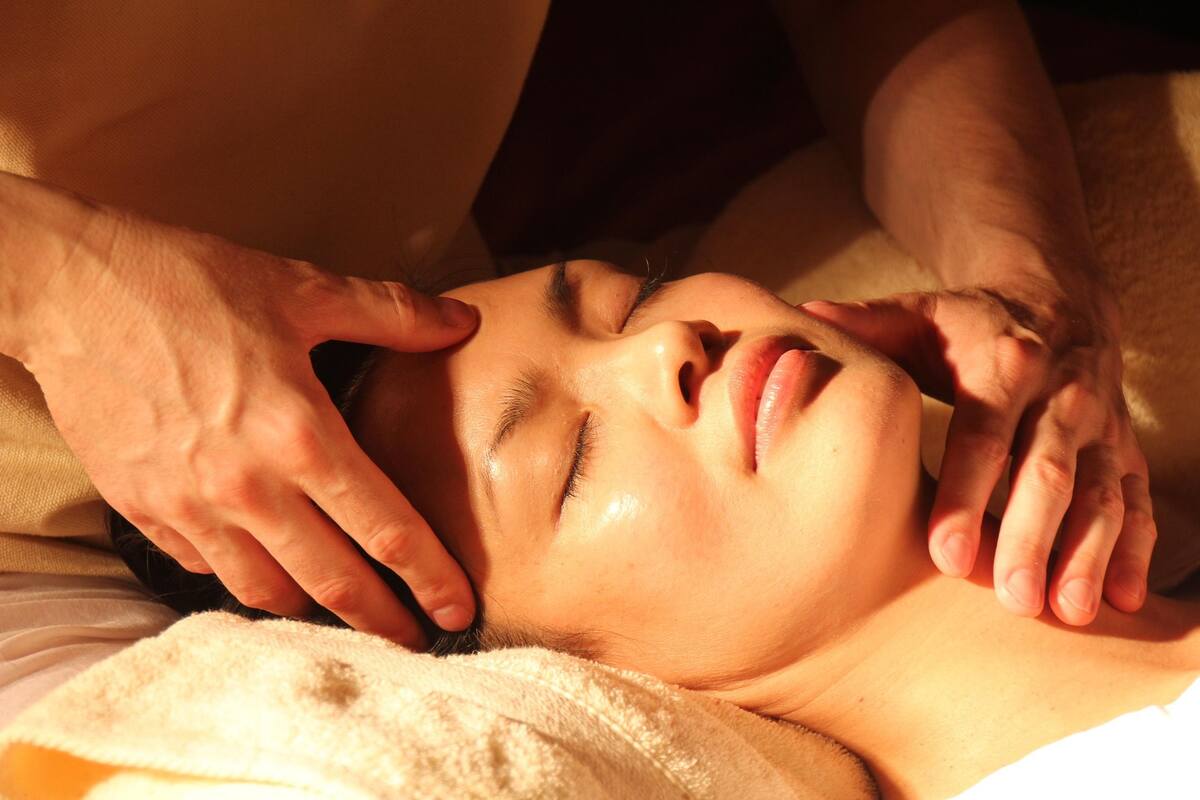

Choosing women-only massage therapists in Busan can make sense if having a female practitioner, a women-only setting, or both helps you feel comfortable with hands-on care. The key is to check exactly what the business offers: a female therapist doesn’t automatically mean the whole venue serves only women. This article explains how to compare options, discuss privacy and boundaries, and book a session that fits your preferences without relying on vague advertising. Often the Amazing fact about 부산토닥이.
You do not need a complicated reason for your preference. Start with what helps you feel at ease, then check the practical details that make an appointment work.
What does women-only massage mean when booking in Busan?
For booking purposes, treat “women-only massage” as an unclear label until the provider explains it. You might be seeking a female therapist, a venue that accepts only women, or a separate treatment area within a larger spa. Those are different arrangements, so describe the one you need rather than relying on the label alone.
This distinction matters because several preferences can sit behind the same search. Someone might feel comfortable in a mixed-gender reception area but want a female practitioner. Another person might want women-only changing facilities, while someone else wants no shared spaces at all.
Female therapists and women-only venues
Separate your requirements into two parts: who provides the treatment and who uses the space. A business could meet one requirement without meeting the other. Ask about both before paying a deposit or choosing a package.
Use these descriptions to make your request specific:
| Your preference | What to confirm |
|---|---|
| A female practitioner | A female therapist is confirmed for your appointment, not merely requested. |
| Women-only clients | The venue or relevant treatment area accepts only women during your visit. |
| Female staff throughout | Your preference applies to reception, treatment, and any other relevant contact. |
| Private treatment | The room is separate, not divided from other clients by curtains. |
| Private changing | You can change without using a shared changing area. |
None of these arrangements should be assumed from a photograph of a treatment room. Ask for a clear written explanation of the features that matter to you.
Clear wording prevents mismatched expectations
Try a short message: “I would like a massage with a female therapist. Please confirm whether the treatment room and changing space are private, and whether any areas are shared with male guests.”
If you need a women-only venue, say that separately. The phrase “female-only massage” should be the start of your booking conversation, not the end of it.
Also ask what happens if the assigned practitioner becomes unavailable. Decide in advance whether you would prefer another female therapist, a different appointment, or a cancellation. That is easier than deciding while standing at reception.
Why choose a female massage therapist?
Choose a female massage therapist if that preference makes the appointment more comfortable, more accessible, or better aligned with your personal boundaries. It is a choice about your experience, not proof that women provide better treatment. Assess training, communication, and suitability separately from gender.
The useful question is not whether everyone should make the same choice. It is whether this arrangement helps you participate in the session without spending the whole appointment worrying about it.
Personal comfort without a detailed explanation
You may simply prefer receiving massage from a woman. You might also have modesty requirements, cultural preferences, or personal experiences that shape your decision. Share only what is necessary to arrange suitable care; a booking request does not need to become your life story.
For example, “I only book with female practitioners” is a complete statement of preference. If the provider cannot accommodate it, look for another option rather than negotiating away something important to you.
There is no need to turn this preference into a judgment about male therapists. Keep the focus on what you want from this appointment.
A setting that fits your boundaries
Before comparing treatment menus, picture the parts of the visit that might concern you. Is it changing clothes, walking through shared areas, discussing the treatment, or being alone with the practitioner? Your answer helps you identify the arrangement you actually need.
Consider these possible priorities:
- Modesty: Ask whether a clothed treatment is available and what coverage is used.
- Privacy: Request separate changing and treatment spaces if shared facilities would be uncomfortable.
- Predictability: Ask for a description of the session before booking.
- Communication: Arrange a simple way to request changes or stop.
- Personal preference: Confirm the therapist’s gender without feeling obliged to justify the request.
You might discover that a female practitioner in a private room meets your needs perfectly. Or you might decide that a fully women-only environment is essential. Either conclusion gives you a more useful search than a broad preference alone.
Gender is one filter, not the whole decision
Do not assume that a female therapist will automatically understand your preferred pressure, privacy needs, or health concerns. Explain those details directly. A shared gender does not replace a proper conversation.
The American Massage Therapy Association identifies explanations, appropriate coverage, pressure adjustments, and the ability to stop as important expectations for a massage session. Use those as quality checks alongside your gender preference, rather than treating gender as a substitute for professional conduct.
Understand the difference between a massage appointment and a spa visit
Keep the treatment itself separate from the surrounding facilities when planning your visit. You may want a straightforward appointment in a private room, or you may want bathing, relaxation areas, and a treatment as part of a longer outing. Ask the provider to explain which experience you are purchasing.
This is especially useful when browsing Busan spa information. Visit Busan lists SPA LAND Centum City as a local attraction, but an attraction listing does not confirm a women-only massage appointment or a particular practitioner assignment. Verify those details directly before adding it to your plan.
Gender-separated facilities are not the same as a women-only business
The Korea Tourism Organization describes jjimjilbang facilities with gender-separated locker rooms and shared main areas. That distinction is important: a separate women’s section does not mean every part of a venue is reserved for women. Check the layout rather than assuming one policy covers the whole building.
If avoiding mixed-gender spaces matters to you, ask about the route through the venue. Include reception, changing facilities, waiting areas, treatment rooms, and any relaxation spaces you intend to use. A clear explanation lets you decide whether the setup fits your needs.
Check exactly what the booking includes
Ask whether your purchase covers a treatment, facility admission, or both. If there is a package, request its separate elements in plain language. Do not let a long list of amenities distract you from confirming the service you actually want.
A useful message is: “I am interested in a private massage appointment, not just access to bathing or relaxation facilities. Please confirm what is included and whether a female therapist can be assigned.”
For a Busan itinerary, also check the exact branch and entrance. Save the address the business provides and allow enough time to arrive without rushing. Choose a convenient appointment over an ambitious journey if the extra travel would undermine the quiet break you hoped to enjoy.
How do you choose a suitable provider in Busan?
Choose a provider by confirming your essential requirements first, then checking the practitioner, service details, communication, and booking terms. Start with a short list rather than comparing every spa you find. If a provider can’t meet a non-negotiable preference, remove it from the list immediately.
Keep your comparison focused on answers you can verify. Attractive room photographs may help you understand the setting, but they shouldn’t drive the decision.
Start with your non-negotiables
Write down three things you must have before searching further. For example, you might require a confirmed female practitioner, a private room, and the option to remain clothed. Someone else might prioritize a women-only venue, step-free access, and written communication.
Then separate those essentials from extras. A particular scent, background music, or decorative style might be pleasant, but it should not outweigh an unresolved privacy concern.
This short exercise makes your search more efficient. Instead of asking whether a place looks good overall, you can ask whether it meets the conditions that matter to you.
Ask about relevant training and experience
Ask who will provide the treatment and what training is relevant to the service you want. If you have a specific need, ask about experience with that need rather than accepting a broad claim of expertise. NCCIH recommends asking prospective massage therapists about their training, experience, and credentials.
Avoid assuming that a title used in one country represents the same qualification elsewhere. Ask the business to explain unfamiliar credentials and what the practitioner can offer. Keep wellness services separate from any medical care you may need.
Read reviews for practical details
Use reviews to identify points worth checking, not to guarantee your own experience. Look for descriptions of communication, privacy, pressure adjustments, and whether the booked service matched what was delivered. Treat unsupported praise as less useful than a specific account.
For example, a review mentioning a shared changing area gives you a concrete follow-up question. A review saying only “best massage ever” tells you little about whether the venue suits your requirements.
Also check whether the review concerns the same branch and service. Don’t transfer a positive account from one location to another without confirming the details yourself.
Compare responses before comparing packages
Send the same core questions to each shortlisted provider:
- Can you confirm a female therapist for my appointment?
- Is the venue women-only, or are only some areas separate?
- Is the treatment room private, and where will I change?
- What does the selected service involve?
- What is the full price, and what are the cancellation terms?
- What happens if the confirmed therapist becomes unavailable?
Evaluate whether the answers resolve your concerns. You do not need polished sales language; you need an understandable explanation. If an important point stays unclear after a follow-up, leave it unresolved on your comparison rather than filling the gap with an optimistic guess.
Match the treatment to your actual goal
Before choosing a treatment name, describe what you want from the appointment in ordinary language. You might want quiet time, a gentle session, attention to selected areas, or a clothed treatment. Ask the provider which available option matches that request and what it involves.
Keep your goal modest and specific. “I would like a comfortable, light-pressure appointment” is easier to discuss than “I need a complete body reset.” The first request gives the practitioner something practical to respond to; the second leaves too much room for interpretation.
Choose the experience before the package
Decide how much of the visit you want to spend receiving hands-on treatment. Then ask whether consultation, changing, bathing, or other activities are included in the advertised duration. Compare like with like rather than choosing the longest-looking package.
Use this planning table to guide the conversation:
| Your goal | What to ask the provider |
|---|---|
| A quiet break | Can the session be low-conversation, with minimal interruptions? |
| Light pressure | Can the treatment stay gentle throughout? |
| Selected focus areas | Can you allocate time to the areas you identify? |
| A clothed appointment | Which services can be provided without removing clothing? |
| No scented products | Is an unscented option available, and what does it contain? |
| A first massage | Can the practitioner explain positioning and each stage beforehand? |
Treat the answers as service details, not promises of a health outcome. If the proposed treatment does not match your goal, ask for a simpler alternative or keep looking.
Do not use intensity as a quality test
Avoid requesting strong pressure just because it sounds more worthwhile. Instead, explain the level you want and ask how to adjust it during the appointment. AMTA includes the ability to request pressure changes among its expectations for massage clients.
For example, you could say, “Please begin lightly and check with me before increasing pressure.” That instruction is clearer than expecting the practitioner to infer your tolerance.
You can also decline parts of a package that do not interest you. Ask whether an add-on is optional, whether removing it changes the price, and what replaces that time, if anything. A shorter, well-matched appointment may fit your purpose better than a complicated package chosen mainly because it includes more items.
Make privacy and consent specific
Turn “I want privacy” into a description of what you need to happen. Ask where you will change, who can enter the room, what you will wear, and how coverage will be managed. These details help you assess the appointment before you are in a more vulnerable situation.
AMTA’s client guidance includes an explanation of the treatment, appropriate draping, and the option to ask questions or stop. These are useful expectations to discuss with a prospective provider, not a statement of South Korean regulatory requirements.
Discuss clothing and coverage before arrival
Ask what clothing, if any, the selected treatment requires you to remove. If you prefer to stay dressed, ask whether another service would suit that preference. Do not book an unclear treatment and hope you will feel differently once you arrive.
If sheets or towels will be used, ask how the areas not being treated will remain covered. You can also request an explanation before any change in position or coverage. Make this part of the initial agreement rather than leaving it until you feel uncertain.
For modesty requirements, be specific about the practical arrangement you need. “I need to stay fully clothed” gives the provider a clearer task than “I am quite modest.” Let the provider confirm whether the service can accommodate that requirement.
Agree on boundaries without apologizing
Prepare a short statement covering any areas you do not want included. You might say, “Please focus on my shoulders and arms; I do not want work on other areas.” Ask the practitioner to confirm the plan in their own words.
You can also request a check-in before a new technique or position. If the proposed change does not suit you, say so directly. Don’t agree just because you worry that declining will sound unfriendly.
Use this privacy checklist before treatment starts:
- The practitioner knows which areas are included and excluded.
- Clothing and coverage arrangements are clear.
- You know whether anyone else may enter the room.
- You have agreed on how to request a pause or stop.
- Any limits discussed during booking have been repeated in person.
These are proposed booking conditions, not assumptions about every venue. If the provider cannot agree to an essential condition, choose not to proceed rather than hoping it will be respected without agreement.
Prepare simple communication for the appointment
Make your requests short enough to understand and easy enough to repeat. You do not need an elaborate explanation of your preferences. A few direct sentences can cover the practitioner, pressure, coverage, focus areas, and stopping instructions.
AMTA recommends discussing expectations and health information before the session, along with professional responses to questions. Use that discussion to check that your booking notes have reached the person providing the treatment.
Write a short booking message
Start with your essential requirements, then add the practical details. Avoid combining several requests into one long sentence. Ask for confirmation point by point so you can see whether anything remains unanswered.
Here is a message you can adapt:
Hello. I would like to book a massage with a female therapist. I need a private treatment room and would prefer light pressure. Please confirm the clothing arrangements, full price, appointment duration, and cancellation policy. Please also let me know whether any spaces are shared with male guests.
Remove anything that does not matter to you. If a women-only venue is essential, state that clearly rather than expecting a female therapist to cover it.
If you use a translation tool, keep the original sentences brief. Ask the business to confirm the meaning of important requests instead of assuming the translated message settled everything. Save the exchange so you can show it at arrival if needed.
Agree on words and signals
Before the appointment begins, establish a simple way to request less pressure, a pause, or an end to the session. If spoken communication is difficult, agree on a clear hand signal. Make sure you both understand what it means before relying on it.
Useful English phrases to prepare include:
- “Less pressure, please.”
- “Please avoid this area.”
- “Please explain before changing position.”
- “I would like more coverage.”
- “Please pause.”
- “Please stop the session.”
Do not worry about sounding polished. The point is to communicate your decision, not deliver a perfect sentence. If you cannot establish a shared understanding of an essential boundary, reconsider the appointment.
Ask for the amount of conversation you want
Decide whether you would prefer quiet or occasional explanations. You can request minimal conversation while still asking for check-ins about comfort and pressure. Those preferences do not conflict.
For example: “I would like a quiet session, but please check with me before changing pressure or position.” This gives the practitioner a usable plan without requiring you to keep making conversation when you would rather rest.
Keep health expectations realistic
Approach massage as a service with limits, not a guaranteed solution to pain or a substitute for assessment. NCCIH reports that evidence varies by condition and that some possible benefits are short-term. It also advises against using massage to delay seeing a healthcare professional about a medical problem.
If you have a health concern, separate two decisions: whether massage is suitable and which provider fits your preferences. A women-only setting answers the second question only in part; it does not answer the first.
Raise concerns before choosing a service
If you are unsure whether massage is appropriate, discuss that uncertainty with your healthcare professional before booking. Tell the provider about relevant health information and ask whether the proposed service needs modification. NCCIH notes that serious adverse effects are rare but have been reported, including with vigorous massage or people at increased risk of injury.
Do not let a package description make the health decision for you. Ask questions first, then choose an appointment only if the answers support proceeding.
Treat broad promises as questions to investigate
When you encounter claims such as “total recovery” or “complete detox,” ask what the business actually means. Request a description of the service rather than accepting the phrase as an outcome. You can enjoy a wellness appointment without attaching an expansive medical promise.
Keep your own goal equally grounded. A comfortable, clearly explained experience is a reasonable booking aim. Don’t make a major health decision based on an appealing room, a gender preference, or a confident sales pitch.
Compare price and booking terms without guessing
Ask for a written total for the exact appointment you want. Don’t estimate the bill from a general menu, a review, or a photo of an older price list. Your comparison should reflect the selected service, duration, room arrangement, and any extras you have agreed to purchase.
There is no need to choose the least expensive option automatically. Decide which details make the appointment suitable, then compare the cost of providers that meet those requirements. A cheaper appointment that doesn’t meet your privacy requirements isn’t an equivalent option.
Separate treatment time from total visit time
Ask when the advertised duration begins and ends. Clarify whether it includes consultation, changing, preparation, or other activities. This helps you understand what you are buying without assuming every provider measures time the same way.
Also ask what happens if you arrive late or need to shorten the appointment. Make that part of your planning, especially if you have another commitment afterward. Avoid building a schedule that leaves no room to find the entrance or discuss the service.
Check the full booking conditions
Before paying, get answers to these practical points:
- Total cost: Request the amount for the service and any agreed extras.
- Payment: Confirm accepted payment methods and when payment is due.
- Deposit: Ask whether one is required and when it can be refunded.
- Cancellation: Check deadlines and any charge for changing plans.
- Practitioner changes: Confirm your options if a female therapist is no longer available.
- Package changes: Ask whether declining an element affects time or price.
- Early ending: Clarify how billing works if you decide to stop.
Do not assume that an unmentioned term will favor you. Ask the question while you still have time to consider the answer.
Keep the confirmation somewhere easy to find on your phone. Include the branch, service, time, practitioner requirement, and total price. If the arrival details differ from the written agreement, resolve that before changing clothes or beginning treatment.
Plan the visit from arrival to departure
Treat the first few minutes as a final check, not an obligation to continue. Confirm that the appointment matches what you booked, meet the practitioner, and repeat any essential boundaries. Start only when the practical details make sense to you.
You do not need to arrive with a long speech. A saved booking message and a few prepared sentences can keep the conversation focused. Leave enough room in your schedule to have it without feeling rushed.
Before you leave for the appointment
Check the confirmed location and contact method. Save the booking details, and bring whatever the business specifically asked you to provide. Choose clothing that suits your plans and any agreed treatment requirements.
If you need accessibility arrangements, confirm the full route in advance. Ask about entry, internal steps, changing facilities, treatment positioning, and any assistance you require. Do not rely on a general statement that a venue is “accessible” without explaining your needs.
At reception and before treatment
Use a short arrival checklist:
- Confirm the service. Check its name, duration, and price against your booking.
- Confirm the practitioner. Make sure your request for a female therapist is still met.
- Check the space. Ask to understand the changing and treatment arrangements.
- Repeat your boundaries. Mention pressure, coverage, and areas to avoid.
- Resolve differences. Discuss any change before agreeing to proceed.
If something important has changed, ask what alternatives are available. Refer to the agreed cancellation terms rather than assuming you must accept a replacement service.
During and after the session
Use the words or signals you agreed on whenever you need an adjustment. Don’t wait until the end to say the pressure, position, or coverage isn’t what you requested. AMTA’s guidance explicitly includes requesting adjustments and stopping a massage.
Afterward, take a moment to check the bill against the agreed service. If you want another appointment, note the practitioner’s name and the preferences that worked for you. Keep your evaluation specific: consider communication, privacy, and whether the session matched the plan, rather than deciding solely from the room’s appearance.
Use your search terms to narrow the decision
A search finds possibilities, not confirmation that a business meets your requirements. Searching for “women-only massage therapists Busan” can help you begin a shortlist, but your next task is to verify the details directly. Focus on the service you want rather than expecting the search wording to define it.
Try adding the requirement that matters most, such as “female therapist,” “private treatment room,” or “clothed massage.” Then check the provider’s own information and send your booking questions. This keeps the search connected to an actual decision.
Adapt the choice to your priorities
Consider three example approaches. If your only essential preference is a female practitioner, start by confirming that assignment and then assess the service normally. You may not need to limit yourself to a fully women-only venue.
If modesty is your main concern, begin with clothing, changing, and coverage arrangements. A venue’s gender policy alone will not tell you whether those arrangements fit your requirements. Ask for the practical details before comparing packages.
If you are booking for several people, check each person’s needs separately. Do not assume everyone wants the same pressure, practitioner, or level of privacy. Confirm whether appointments are simultaneous, whether rooms are shared, and whether each person can choose independently.
Keep a short comparison note
For each possible provider, record the confirmed practitioner arrangement, privacy setup, service description, total price, and unanswered questions. Mark a detail as confirmed only when you have a clear answer. This prevents an attractive impression from quietly becoming an assumed fact.
Once you find an option that meets your essential requirements, you do not need to keep searching indefinitely. Decide based on the evidence you have gathered, save the agreement, and give yourself permission to choose a straightforward appointment over a more elaborate one.
Choose comfort and clear information together
The strongest reason to choose a women-only massage arrangement is that it fits your own preferences and boundaries. Pair that preference with careful questions about the practitioner, privacy, treatment, communication, and price. Neither gender nor a women-only label should replace those checks.
Start with your three essentials, send a clear booking message, and confirm the arrangement again when you arrive. The goal is not to find the most impressive package. It is to book an appointment you understand, can choose freely, and feel comfortable adjusting or declining.
