

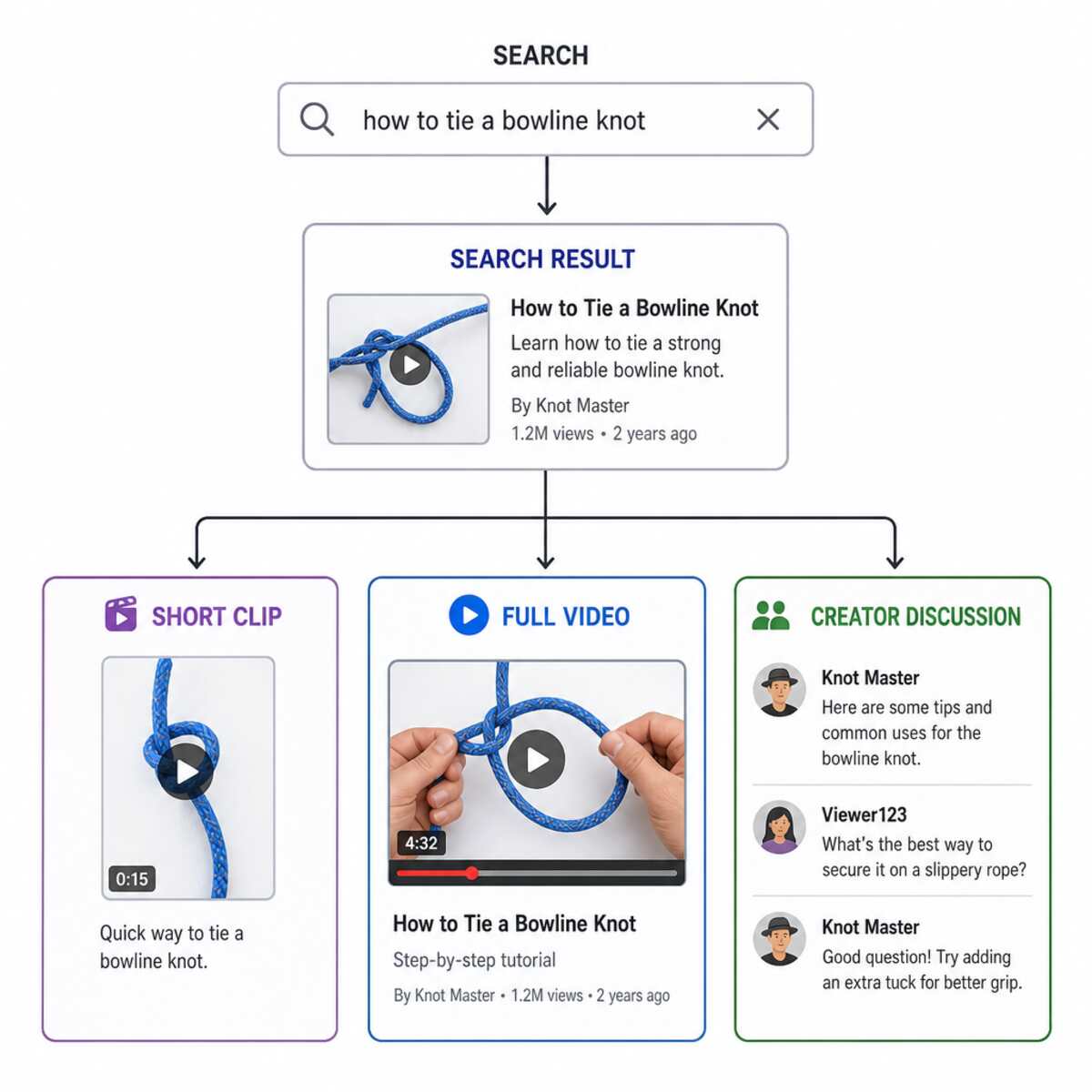

If you’re looking for a “yadong party video,” first check which creator and clip the phrase refers to. This article explores digital entertainment and online video trends around the search term “Yadong Party,” with practical ways to find relevant, family-friendly videos, judge their quality, and learn from their storytelling. No verified video link or creator details were supplied, so this is a discovery and viewing guide—not a review of a particular upload. Receive the Best information about 후후티비.
You don’t need to understand every platform feature to become a more thoughtful viewer. Start with a clear purpose, check the source, and notice how a video earns your attention. Those same habits can also help you write better captions, recommendations, and scripts.
What should you know before watching a Yadong Party video?
The search phrase alone does not identify a verified video, event, channel, or entertainment brand. Before watching or recommending a result, confirm its title, creator, description, and subject. Treat the phrase as a starting point for discovery rather than proof that every matching result belongs to the same source.
That distinction matters because this article cannot describe footage it has not verified. It would be misleading to promise a particular performance, name participants, or call a clip popular without evidence. The useful approach is to explain how to find an appropriate result and decide whether it matches your interests.
Start by finishing this sentence: “I want to watch a video about _____.” Perhaps you mean a music performance, a friendly group game, an animation, or a creative activity. Once you can describe the experience you want, you have a much stronger basis for choosing a result.
Here are the details worth collecting before you press play:
- The full title: Look beyond the matching phrase. The remaining words should explain what happens in the video.
- The creator’s name: Identify who published it and whether their other uploads fit your interests.
- The description: Look for a clear account of the subject, participants, or purpose.
- The upload date: Use it to place the upload in context, not as automatic proof of when filming happened.
- The source: Prefer a recognizable creator page or an organizer’s own upload when you can establish that connection.
For example, imagine you want a cheerful team drawing challenge. A result with that activity clearly described gives you something concrete to assess. A vague title that merely repeats your search phrase gives you much less information.
You can also stop searching when the available details do not line up. Finding no confirmed match is more useful than confidently choosing the wrong clip. Curiosity works best when it leaves room for uncertainty.
How can you find the video you actually want?
To find a relevant video, combine the search phrase with a meaningful detail, compare the results, and verify the publisher before watching. If you already know the creator, activity, or event, include that information. When you cannot establish a match, broaden the search toward the activity you want rather than repeatedly clicking unclear results.
Think of this as a small editing job. You begin with a rough idea, remove what doesn’t fit, and keep the details that bring you closer to your goal.
Add useful context to the search
A broad phrase leaves plenty unresolved. A more descriptive search gives you a clearer standard for deciding which results belong on your shortlist.
If you know them, try adding:
- A creator or channel name.
- The activity shown, such as drawing, dancing, or a board game.
- An event name supplied by its organizer.
- A language preference.
- A distinctive phrase spoken in the clip.
Only add information you actually remember or can verify. Guessing a year, location, or creator may send your search in the wrong direction. If you are unsure about a detail, leave it out and compare the stronger clues first.
For a family viewing session, define your preferred subjects before searching. You might choose craft demonstrations, cooperative games, music lessons, or light comedy. This gives you a useful alternative if the original phrase does not lead to a clear match.
Compare results before choosing one
Open the result’s details rather than judging from a thumbnail alone. Read the title and description together, then check whether the publisher explains what you are about to watch. Your goal is not to investigate every upload; it is to avoid making a choice with almost no context.
A simple comparison can help:
| Detail | What to check | Useful next step |
|---|---|---|
| Title | Does it describe a recognizable activity? | Compare it with your viewing goal. |
| Publisher | Can you identify the creator or organizer? | Review their channel information. |
| Description | Does it explain the clip rather than repeat keywords? | Look for concrete subject details. |
| Date | Is the upload presented with enough time context? | Avoid assuming upload and recording dates match. |
| Preview | Does the visible content fit the description? | Leave if the result is clearly unrelated. |
Treat this table as a decision aid, not a guarantee. Several matching details can justify a closer look, but they do not prove every statement associated with the upload.
Know when to change direction
If you keep finding unclear results, change the task. Search directly for the kind of entertainment you want, such as a cooperative drawing game or a beginner-friendly music performance. You do not have to preserve an unhelpful phrase just because it started your search.
Keep a short note when you find the right clip: title, creator, platform, and one sentence about its subject. That record gives you a better way to find it again. It also helps you explain your recommendation without relying on a vague label.
Online video trends that help explain the viewing experience
Online entertainment is easier to understand when you separate a video’s format from its purpose. A short clip may introduce an idea, a longer upload may develop it, and a community response may give it another interpretation. YouTube’s own culture reporting describes entertainment shaped through creators, fans, evolving formats, and shared experiences. These are useful patterns to watch for, not evidence that any unverified search phrase represents a trend.
The practical question is simple: what does this particular format let the creator do well? Once you ask that, you can move beyond deciding whether a clip feels fashionable.
Audience participation becomes part of the entertainment
In its 2025 year-end review, YouTube highlighted examples of fans extending entertainment through sketches, challenge recreations, and other creator-made responses. The report shows how an original work can become a starting point for further creative activity. It does not establish that every fan response is equally useful or successful.
When you watch a participatory video, look for the contribution. Does the creator explain a confusing moment, introduce a new interpretation, or demonstrate something viewers can try? Those questions help you distinguish meaningful participation from a response that adds little.
For your own viewing, follow the idea that interests you. If a clip introduces a drawing challenge, you might prefer a thoughtful explanation of the rules over several nearly identical reactions. Choose the follow-up that gives you something new.
Fast, layered editing is a creative choice
YouTube’s 2025 research described a style it called “creative maximalism,” associated with layered references and highly participatory online culture. This is one documented approach to digital creativity, not a rule that all videos need constant effects or rapid changes.
Try noticing what an edit accomplishes. An on-screen label might clarify a game score. A close-up might show a tiny detail. A quick cut might remove a pause that does not help the story.
Then ask what could be removed. If an effect makes the activity harder to follow, it may not be helping you as a viewer. You are allowed to prefer a quieter explanation, even when a busier style attracts attention elsewhere.
Personal recommendations are not a complete popularity report
YouTube explains that its recommendations use signals including watch history, search history, subscriptions, likes, dislikes, and viewer feedback. Different parts of the service weigh signals differently; for example, watch history plays a major role on the homepage. A recommendation therefore reflects a personalized system, not simply a universal list of important videos.
The practical implication is worth remembering: seeing similar clips repeatedly does not, by itself, establish that everyone is watching them. If you want to assess a broader trend, look for evidence beyond your own feed. Keep personal discovery separate from claims about general popularity.
For ordinary viewing, use recommendations as suggestions. They can give you a next option, but you can still return to your original purpose, search for something different, or finish the session.
Choose a video format that fits your purpose
Before you settle on a video, decide how much context you want. A quick preview and a detailed explanation serve different needs. Rather than treating one length as automatically better, match the format to the experience you are seeking.
The following examples are planning suggestions, not claims about a specific platform or upload:
| Your purpose | A format to consider | What to look for |
|---|---|---|
| Enjoy one complete moment | A self-contained short clip | A clear setup and understandable finish. |
| Learn how an activity works | A demonstration | Visible steps and an explanation of decisions. |
| Understand an event | A fuller recording or organized recap | Enough context to follow the sequence. |
| Explore a creator’s thinking | An interview or commentary video | Specific explanations rather than vague reactions. |
| Choose something for a group | A previewed, self-contained video | Clear context and a suitable shared subject. |
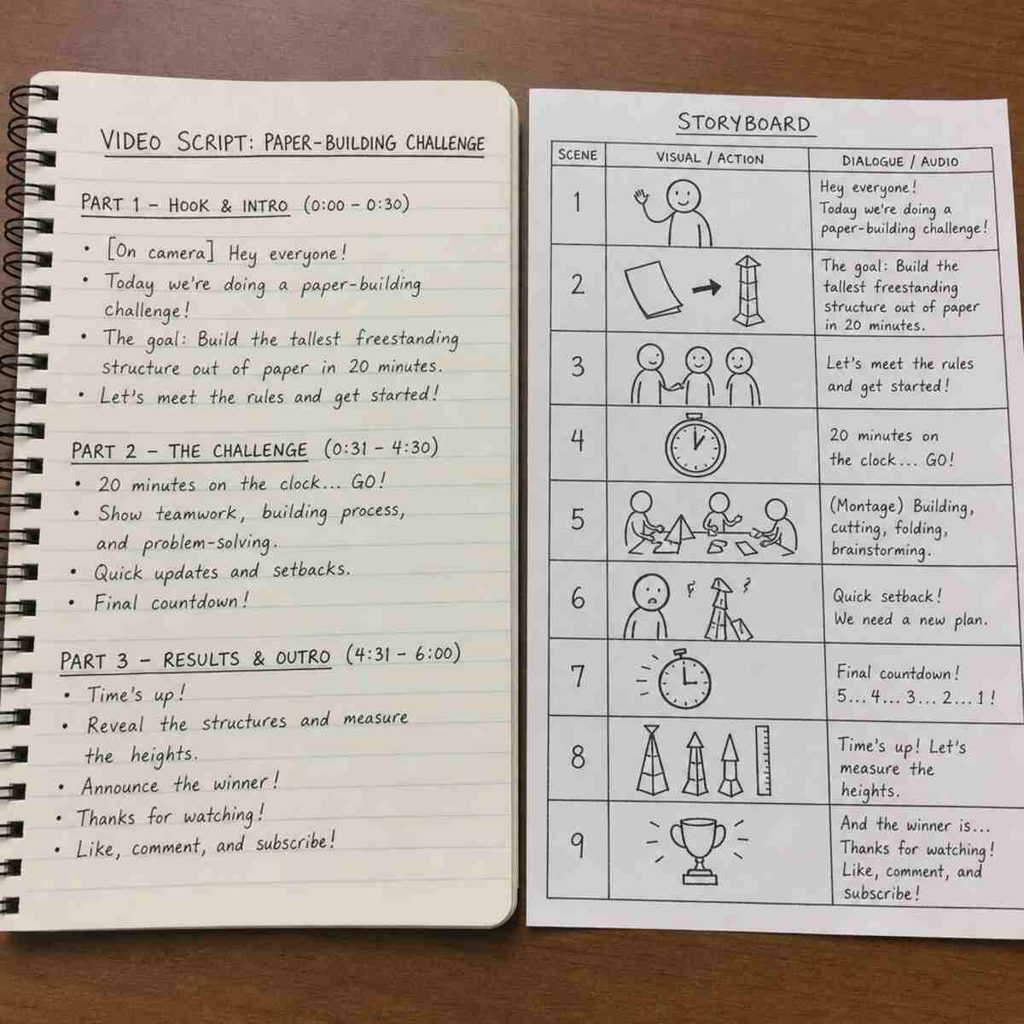
Suppose you are curious about a paper-building challenge. A short clip might be enough if you only want to see the final tower fall. If you want to recreate the activity, choose a video that explains the materials, rules, and construction choices.
The same distinction helps with music, games, animation, and comedy. You may want a finished performance, a behind-the-scenes explanation, or a discussion of how it was made. Naming that preference can save you from opening several videos that answer the wrong question.
Give yourself permission to change formats, too. You might begin with a short introduction and decide that the subject deserves a longer look. Or you might discover that the brief version gave you everything you needed.
For group viewing, make the choice together when possible. Ask whether people want to learn something, laugh at a light sketch, or follow a shared activity. A clear agreement is more useful than assuming that the most attention-grabbing option will suit everyone.
What makes an online video worth watching?
A video is worth watching when it delivers an experience that fits your purpose and makes good use of your attention. Look for a clear promise, enough context, understandable presentation, and an ending that follows through. You do not need to like every popular format; you need a reason to keep watching this particular clip. Typically the Interesting Info about 야동파티.
You can assess those qualities without becoming a professional reviewer. Start with what the video appears to promise, then compare that promise with what it actually provides.
The opening establishes a clear subject
A useful opening gives you a basis for deciding whether to continue. It might introduce the activity, show the question being explored, or present a moment that makes sense once the explanation begins. When evaluating it, ask whether you understand what you are watching.
For example, “Three teams are building paper bridges with the same materials” supplies a subject and a constraint. You can immediately imagine what to watch for. “Something unbelievable happens” offers much less information.
Use that comparison when writing recommendations as well. Describe the activity before adding your reaction. Your reader should not have to borrow your enthusiasm to understand the subject.
The middle develops the idea
Look for meaningful progress rather than activity alone. In a demonstration, that could mean showing a technique, testing it, and adjusting it. In a friendly competition, it could mean explaining a decision that changes the outcome.
Imagine a drawing challenge in which one participant switches from outlining to using broad shapes. A useful video might show that choice clearly enough for you to understand the result. You then have something specific to discuss beyond whether the clip was entertaining.
If you lose track, identify what is missing. Perhaps the rules were never explained, a key step was skipped, or the camera did not show the important detail. That observation is more useful than simply calling the video confusing.
The ending delivers a proportionate result
Compare the finish with the original setup. Did you see the completed project, learn the answer, or understand the outcome? A small, satisfying result can be enough when the opening made a modest promise.
Try writing two sentences after watching: “The video promised _____” and “The video delivered _____.” If those sentences fit together, you have a strong starting point for a fair assessment. If they do not, explain the gap without exaggerating it.
Practical tips for better video discovery and viewing
You do not need a complicated system for every viewing session. A few deliberate choices can make the process easier to explain and repeat. Use the tips below as options, not a set of chores you must complete before enjoying a clip.
Write a one-line viewing goal
Before searching, name the experience you want. “I want a cheerful craft demonstration I can try later” gives you a useful test for each result. “I want something interesting” leaves almost every option open.
Keep the goal flexible but specific. You can change your mind after discovering a new subject. The point is to make a conscious choice rather than forget why you began searching.
Build a small, descriptive shortlist
Choose a few promising results and note what each offers. Avoid collecting so many possibilities that choosing becomes a separate project. For a casual session, your shortlist only needs enough variety to support a decision.
A useful note might read: “Paper bridge challenge—clear rules, visible testing, full result.” Another might say: “Music workshop—demonstration plus explanation.” These notes are more helpful than saving several unnamed links and hoping you remember them.
Use platform controls deliberately
On YouTube, options such as “Not interested,” “Don’t recommend channel,” and watch or search history controls can influence recommendations. The available controls and their effects are described in YouTube’s help guidance. Use the platform’s own instructions when adjusting your settings rather than assuming that every service works the same way.
Choose a setting because it matches your preference, not because someone promises it will produce a perfect feed. You can still search directly for a creator or subject. A personalized suggestion is one route to a video, not the only route.
Leave unclear pages instead of solving their demands
For this viewing routine, make a simple rule: do not install unfamiliar software or provide unnecessary personal details just to investigate an unclear result. If a page becomes confusing, close it and return to a source you recognize. You are looking for entertainment, not an obligation to troubleshoot an unknown website.
Unexpected messages that claim your device has a serious problem and demand action deserve particular caution. The Federal Trade Commission warns about tech-support impersonators who use calls or pop-up messages to frighten people into following instructions.
End with a useful decision
After watching, decide whether to save, share, continue, or stop. Give each choice a reason. “I’m saving this because the instructions are clear” tells you more than a vague feeling that you might want it later.
Stopping is a valid result. A good session does not require an endless chain of related clips. You can enjoy one complete video and leave with exactly what you wanted.
Accessibility makes the content easier to follow
Accessibility belongs in the viewing decision, not only in the production checklist. W3C’s Web Accessibility Initiative explains the roles of captions, transcripts, and descriptions of visual information in making audio and video content accessible. These resources help identify what information a viewer needs to understand the material.
As a viewer, look for the support that works for you. As someone recommending a clip, mention useful access features accurately rather than assuming they are present.
Check captions and transcripts
Captions provide text for speech and important non-speech audio. A transcript presents the audio information in text form. These serve related purposes, but they are not interchangeable in every viewing situation.
If you are watching to take notes, check whether a transcript is available. YouTube provides a transcript view for videos with captions, allowing viewers to follow the text and select lines to move to corresponding parts of the video. Availability depends on the video.
For your notes, verify names and unfamiliar terms before repeating them. You can also mark a word as uncertain instead of guessing. That small habit matters when turning spoken material into a written recommendation or summary.
Notice essential visual information
Try this viewing exercise: identify one thing you understand only because you can see it. It might be a score change, a hand movement, a chart, or a participant’s choice of materials. Then consider whether the spoken explanation also communicates that detail.
If you are creating your own video, use the exercise during revision. Say “The blue team adds a folded support beneath the bridge” rather than “They do this.” The more precise sentence gives viewers a clearer account of the action.
You can also review on-screen text on the device you expect people to use. If it is difficult for you to read, revise the presentation before publishing. Treat readability as part of explaining the idea, not as a final decorative adjustment.
Turn thoughtful viewing into better writing
Watching a video can become a useful writing exercise when you separate observation from reaction. First record what happens. Then explain why a particular choice held your interest, clarified an idea, or left you uncertain.
This approach does not require a long review. A few accurate sentences can help you write a stronger message to a friend, a more useful caption, or a clearer script of your own.
Describe the subject before judging it
Start with a plain sentence that identifies the activity and its main constraint. For an imaginary example, you might write: “Four friends build freestanding paper towers using identical materials.” That sentence tells the reader what the video contains without asking them to accept your opinion.
Next, add one specific observation: “One team folds the sheets into triangular supports.” Only then add your response: “I liked seeing that decision tested because it made the outcome easier to understand.”
You now have three different kinds of information: subject, observation, and interpretation. Keeping them separate makes the recommendation easier to trust and revise.
Replace vague praise with visible detail
Words such as “great,” “fun,” and “interesting” can express a real reaction, but they do not explain much on their own. Pair the reaction with something another viewer could recognize. You are not trying to sound formal; you are making your enthusiasm useful.
Try these revisions:
- Vague: “The video was really interesting.”
- More useful: “The presenter tested two folding methods, so I could see why one held more weight.”
- Vague: “The editing was amazing.”
- More useful: “Close-up shots made the small paper joints easy to follow.”
- Vague: “Everyone should watch this.”
- More useful: “This may suit viewers who enjoy simple building challenges with a clear result.”
Notice the difference in the final example. It makes a recommendation without pretending that one video suits everyone. That is a practical way to write for a broad audience while respecting different tastes.
Build a recommendation in four parts
Use a compact structure when you want to share a clip thoughtfully:
- Subject: Explain what happens in the video.
- Useful detail: Name one feature that stood out.
- Audience fit: Say who might enjoy or benefit from it.
- Limitation: Mention a relevant uncertainty or missing feature.
Here is an invented example: “This paper-tower challenge follows several teams from planning to testing. The close-up views make the folding choices easy to compare. It may appeal to anyone who enjoys practical group activities. I would check the materials list before trying it.”
The recommendation stays concrete without becoming a full review. It also gives the reader enough information to decide whether the clip matches their own purpose.
Draft a simple video script
If viewing inspires you to create something, begin with a small idea you can explain clearly. A cooperative drawing game, a craft test, or a short music demonstration offers a manageable starting point. Use your own footage and plan the subject before worrying about elaborate presentation.
For an imaginary drawing challenge, a first script could be:
Each person starts a drawing, then passes it to the next person. Everyone adds one detail without explaining the original idea. At the end, we compare the finished pictures and describe which additions changed them most.
Revise it by asking three practical questions. Do viewers know the rules? Will the important changes be visible? Does the ending show what the introduction promised?
Then read the script aloud. Replace any sentence you would not naturally say. Keep the friendly tone, but remove repeated explanations and instructions that do not affect the activity.
Frequently asked questions about sharing and reuse
Sharing a recommendation and publishing someone else’s footage are different tasks. Before moving from watching to reuse, identify exactly what you want to do. The questions below address that separate decision rather than repeating the viewing checklist.
Does naming the creator automatically give me permission to reuse a clip?
No. YouTube’s copyright guidance explicitly explains that giving credit does not automatically grant rights to use someone else’s work. Credit and permission are separate matters, so do not treat a creator’s name in your caption as a substitute for checking the basis for your use.
What information should I include when requesting permission?
Describe the exact material you want to use and explain your intended use clearly. The U.S. Copyright Office’s permission guidance recommends identifying the material and the proposed use with specificity. For a practical request, name the video, identify the relevant portion, and explain where and how you hope to publish it.
Can I assume a brief extract is automatically permitted?
Do not rely on that assumption. YouTube explains that copyright exceptions, including fair use in the United States, require context; the platform cannot determine those questions for you. If you are uncertain, consider making your own demonstration or obtaining appropriate permission instead of treating brevity as a guarantee.
For an ordinary recommendation, keep your own writing accurate and direct. Identify the creator and describe why you found the video useful. Avoid implying that you made the footage or that the creator endorses your commentary.
A practical viewing and writing exercise
Try one complete session using a clearly identified, family-friendly video. Choose a subject you genuinely enjoy rather than something you think you should study. The aim is to practice noticing and explaining, not to turn casual entertainment into a test.
Before watching
Write one sentence about your purpose. Then record the title and creator so your notes stay connected to the right upload. Predict what the video will provide, using only its visible description.
For example: “I expect this demonstration to explain how to make a paper bridge and show whether it supports a small object.” This gives you a clear expectation to revisit. It also keeps you from changing the standard halfway through your assessment.
During watching
Take brief notes under three labels:
- What happened: Record the main actions in order.
- What helped: Note a clear explanation, useful close-up, or well-chosen example.
- What remained unclear: Identify a missing step, unfamiliar term, or unanswered practical question.
Keep the notes short enough that you can still follow the video. You do not need a transcript of every moment. Focus on the details you would need to explain the experience to someone else.
After watching
Write a short recommendation that names the subject, gives one concrete reason for your response, and identifies a suitable audience. Then remove any claim you cannot support from the video or its verified context. Replace broad praise with a detail whenever possible.
Finally, compare your expectation with the result. Perhaps the video explained the method well but did not show a full test. Perhaps it delivered exactly what the description promised. Either outcome gives you material for a fair, useful response.
Conclusion: make the next viewing choice a clear one
A search for a yadong party video should begin with source checking, not assumptions about an unidentified clip. Confirm what the result contains, choose a format that fits your purpose, and look for clear storytelling rather than relying on a striking title alone.
Then put one observation into words. Describe what happened, explain what helped you follow it, and say who might enjoy it. That small practice connects better viewing with better writing—and gives your next recommendation something useful to say.
