

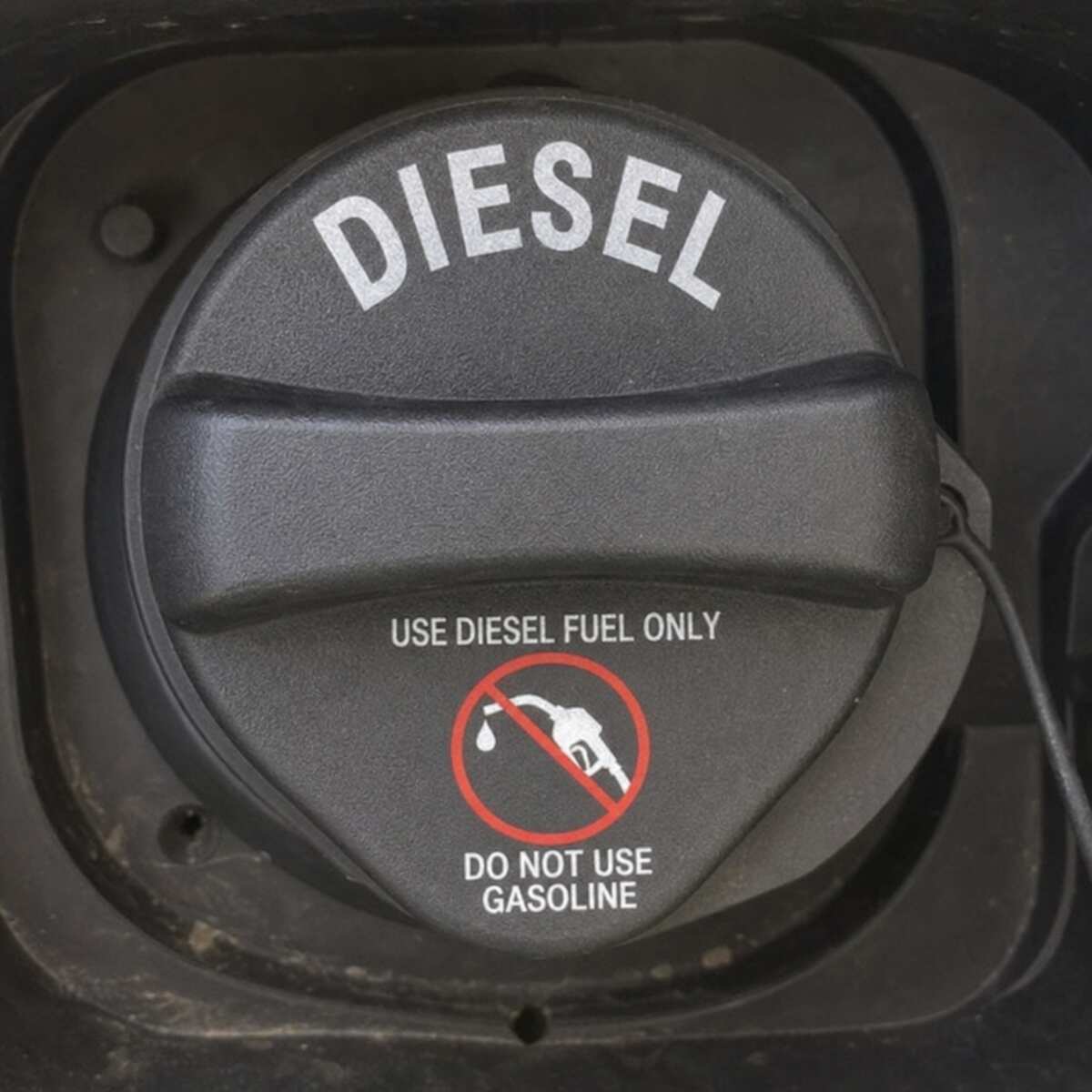

Putting gasoline into a diesel tank is stressful, but the next few minutes matter more than the mistake itself. If you catch it early, the fix may be as simple as draining the fuel, adding fresh diesel, and servicing the filter. If the engine is started or driven, the wrong fuel can flow through the low- and high-pressure sides of the fuel system, turning a simple cleanup into a major fuel system repair. Uncover the best info about Petrol in Diesel engine.
Here’s the golden rule: do not start the engine, do not “just drive it home,” and do not try to dilute it with more diesel. Petrol, which US drivers usually call gasoline, is much more volatile than diesel and lacks the lubricating qualities modern diesel injection systems require. Diesel fuel helps lubricate fuel-pump components, while gasoline in a diesel system can reduce lubricity, viscosity, cetane quality, and flash point.
First: Don’t Start the Engine
If you are still at the gas station and realize you put Petrol in Diesel engine fuel tank, stop immediately. Take your hand off the nozzle, cap the tank if it is safe to do so, and leave the vehicle switched off. The AA’s wrong-fuel guidance is blunt: do not start the vehicle, and if it has already been started, switch it off as soon as it is safe.
Follow this quick action plan:
- Do not turn the key or press the start button. Even accessory or ignition modes can energize pumps on some vehicles. If you already turned the ignition on, tell the mechanic.
- Do not crank the engine “to see if it runs.” That test can pull contaminated fuel into the filter, pump, rail, and injectors.
- Do not drive away from the pump. Even a short drive can push the gasoline-diesel mixture deeper into the system.
- Put the vehicle in neutral only if it can be done safely. Ask gas station staff for help pushing it away from the pump area. Do not put yourself in traffic or in the path of moving vehicles.
- Call roadside assistance, a mobile wrong-fuel service, or a diesel repair shop. Tell them it is a diesel vehicle with gasoline contamination and whether the engine was started.
- Save your receipt. The receipt helps confirm the amount and type of fuel added. It can also matter if the pump was mislabeled or if someone else filled the vehicle.
This is the moment where good diesel engine troubleshooting is really just restraint. The less you do, the cheaper the repair often becomes.
Safety Warning: Gasoline Vapors Are Not a DIY Playground
Gasoline is not just “wrong fuel.” It is a flammable chemical with hazardous vapors. NIOSH lists gasoline, also called petrol or motor fuel, as a Class IB flammable liquid and identifies inhalation, skin contact, ingestion, and eye contact as routes of exposure.
That means you should not:
- Siphon by mouth.
- Drain fuel near smoking, open flames, hot work, pilot lights, space heaters, or sparks.
- Use a household shop vacuum to pull fuel or vapors.
- Store contaminated fuel in open buckets.
- Dump fuel on the ground, into drains, or into household trash.
- Work in a closed garage without ventilation.
RepairPal also warns that opening fuel systems can create risks of fire, vapor leaks, and inhalation injury, and specifically recommends professional care around diesel injection pump work.
If fuel has spilt at the pump, alert station staff immediately. They have spill procedures and absorbent materials. Your job is not to play hero; it’s to keep people safe and prevent the engine from swallowing the wrong fuel.
Why Gasoline Is So Bad for a Diesel Engine
Diesel engines are compression-ignition engines. They rely on diesel fuel’s combustion characteristics and, just as importantly, on diesel’s ability to lubricate precision fuel-system components. Gasoline is lighter, less viscous, and more solvent-like. In a diesel system, it can strip away lubrication and increase friction in pumps and injectors.
Modern common-rail diesel systems are especially sensitive because the high-pressure pump and injectors operate with extremely tight clearances. ORNL notes that diesel injector and pump systems have sliding interfaces that rely on fuel lubrication, and that poor lubricity, combined with tight clearances, can make injectors vulnerable to scuffing damage.
Gasoline contamination can cause several problems at once:
- Reduced lubrication in the high-pressure fuel pump.
- Increased wear in pumps, injectors, and metering components.
- Metal shavings if the high-pressure pump is damaged internally.
- Poor combustion, hard starting, knocking, rough running, smoke, or stalling.
- Fuel filter contamination because the filter cannot magically separate gasoline from diesel.
- Potential aftertreatment issues if misfiring, smoke, or abnormal exhaust temperatures occur.
Older advice sometimes suggested adding a little gasoline to diesel in cold weather. Do not apply that logic to a modern diesel car or truck. SAE’s technical paper on misfueling states that old rules allowing gasoline in diesel fuel for cold operability are no longer valid with modern fuel injection systems.
How Bad Is It? Assess the Severity Before You Panic
The repair path depends on three big questions:
- Was the engine started?
- How far was it driven?
- How much gasoline was added compared with the diesel already in the tank?
A trained technician will use those answers, along with fuel samples and inspection results, to determine whether the vehicle needs a drain-and-flush or a deeper fuel system repair. Manufacturer service guidance for common-rail diesel systems typically separates procedures by whether the engine was started, and some procedures call for checking the fuel for metal shavings after a start event.
Scenario 1: You filled it with gasoline but did not start the engine
This is the best-case scenario. The gasoline is mostly in the tank, not throughout the injection system. The usual repair is to empty the tank, clean or flush the low-pressure lines as needed, replace the fuel filter if required, refill with clean diesel, prime the system, and verify operation.
That does not mean “ignore it.” The fuel still needs to come out. But if you caught the mistake before starting, you may avoid damage to the high-pressure pump and injectors.
Scenario 2: You turned the ignition on but did not start the engine
This is still better than driving, but it is not the same as doing nothing. On many vehicles, turning the ignition on can activate a low-pressure pump or fuel priming routine. Tell the technician exactly what happened: key on, accessory mode, start button pressed without brake, or engine cranked but did not fire.
The repair may still be a drain-and-flush, but the shop may pay closer attention to low-pressure lines, the filter housing, and any fuel that reached the engine bay.
Scenario 3: You started it and shut it off quickly
Now the risk rises. Even idling can pull the gasoline-diesel mix into the fuel filter, high-pressure pump, rail, and injectors. The engine may run rough, rattle, smoke, stall, or set fuel-pressure codes.
A technician may sample fuel, scan for diagnostic codes, inspect the filter, look for metal particles, and evaluate fuel-rail pressure. If no metal is found and the pump appears undamaged, the repair may still be a drain, a flush, a filter replacement, and a careful restart. If metal is found, the repair can become much larger. Some service guidance directs technicians to replace the fuel tank, low-pressure pump, fuel filter, high-pressure pump, rails, lines, and injectors when metal shavings are present.
Scenario 4: You drove a short distance
A short drive is not automatically catastrophic, but it is serious. “Only a mile” can be enough for contaminated fuel to circulate through the system. Stop as soon as you can do so safely, switch the engine off, and arrange a tow.
Do not restart it after it stalls. Do not keep cycling the key. Do not attempt to “limp” to the nearest shop unless a life-safety situation requires moving the vehicle out of immediate danger.
Scenario 5: You drove until it stalled or lost power
This is the high-risk scenario. The vehicle may have experienced fuel starvation, poor combustion, low rail pressure, pump scoring, injector issues, or contamination throughout the return system. At this point, the vehicle should be towed to a qualified diesel technician.
The shop’s first question will not be “How do we make it run?” It should be “Has the high-pressure system made metal?” If the pump has shed metal particles, simply draining the tank is not enough, as debris can remain in the rails, lines, injectors, and return circuits.
Can You Dilute Gasoline in Diesel With More Diesel?
For a modern diesel, do not use dilution as your repair strategy.
Yes, severity depends partly on concentration. One gallon of gasoline in a nearly full 35-gallon diesel truck tank is not the same as 20 gallons of gasoline in an empty tank. A technician may calculate the approximate percentage of contamination to guide the cleanup. But there is no universal safe dilution percentage that applies to every diesel engine, every fuel pump, and every injection system.
The safer rule is simple: if gasoline has gone into a diesel tank, stop and have it drained. SAE specifically warns that even small amounts of gasoline can harm diesel fuel lubricity and that older gasoline-in-diesel practices do not apply to modern systems.
Avoid the online “fixes,” including:
- Topping off with diesel and hoping for the best.
- Adding two-stroke oil, motor oil, transmission fluid, kerosene, or random lubricity additives.
- Pouring fuel cleaner into the tank.
- Running the tank low to “burn it off.”
- Reusing the drained fuel in another vehicle.
A qualified technician may use approved diesel fuel, manufacturer-approved procedures, and professional equipment to flush the system. That is different from guessing with additives in a gas station parking lot.
Tow vs Drive: The Clear Decision Rule
If gasoline has been added to a diesel vehicle, tow it unless a qualified technician tells you otherwise after assessing the vehicle.
Use this decision guide:
- Still at the pump and engine off: Do not drive. Push to a safe location if possible and call for help.
- Ignition turned on but engine not started: Do not drive. Call a diesel shop or mobile fuel-drain service.
- Engine started briefly: Shut it off safely. Tow it.
- Vehicle driven and running poorly: Pull over when safe. Tow it.
- Vehicle stalled: Do not restart. Tow it.
- Vehicle is blocking traffic or creating a safety hazard: Move only the minimum distance needed to get out of danger, then shut it off.
A tow bill is annoying. A high-pressure fuel-system replacement is the financial version of stepping on a rake. The average US tow cost is far below the cost of major diesel fuel-system work, and towing costs vary by distance, vehicle type, time of day, and tow-truck type.
What a Mechanic Will Do: Drain and Flush Procedure Overview
This is not a brand-specific repair manual because every diesel vehicle has its own service information. Always consult the owner’s manual, factory repair data, and a qualified technician. That said, most professional wrong-fuel repairs follow a similar logic.
Step 1: Confirm the fuel mistake
The technician will ask:
- What fuel was added?
- How many gallons?
- How much diesel was already in the tank?
- Was the engine started?
- Was the vehicle driven?
- Did it stall, smoke, knock, or lose power?
- Was the ignition cycled?
- Are there receipts or photos from the pump?
This information helps determine whether the contamination is likely limited to the tank or spread through the fuel system.
Step 2: Make the vehicle safe to work on
A professional shop will control ignition sources, handle vapors, use approved containers, and dispose of contaminated fuel properly. This matters because gasoline vapors are flammable and fuel-system work can expose the technician to vapor and leak hazards.
Step 3: Drain or remove the fuel tank
If the engine was not started, the main goal is to remove the contaminated mixture from the tank before it travels any farther. Some procedures call for draining the tank completely and cleaning it to prevent the reintroduction of contamination.
Modern vehicles may not have convenient drain plugs. Anti-siphon designs, tank shape, in-tank modules, and underbody shields can make safe draining more involved than people expect. This is one reason DIY fuel draining is often messier and riskier than it looks.
Step 4: Inspect the tank and low-pressure side
The technician may inspect the tank, pickup, sending unit, low-pressure pump, filter housing, and supply and return lines. Some service procedures include inspecting the tank for contamination or corrosion, removing the tank for cleaning if needed, and flushing supply and return lines with clean diesel fuel.
Step 5: Replace the fuel filter or filters
Diesel vehicles may have one or more filters, sometimes with a water separator. Filters are cheap compared with injectors and pumps, so replacement is common after contamination. RepairPal notes that diesel engines are highly dependent on high-grade diesel fuel and that contamination can cause premature failure.
Step 6: Flush with clean diesel fuel
After the contaminated fuel is removed, the low-pressure side may be flushed with clean diesel fuel. Manufacturer procedures may specify how to prime the system, how to collect fuel safely, and when to replace components. The goal is to ensure fresh diesel reaches the correct points before the engine is restarted.
Step 7: If it was started, inspect for metal shavings
This step is critical. If the high-pressure pump ran with gasoline-contaminated fuel, it may have been starved of lubrication. A damaged pump can shed metal particles. Those particles can spread to rails, injectors, lines, and return circuits.
Service guidance for common-rail systems may instruct technicians to collect fuel and check for metal shavings after the engine has been started. If shavings are found, replacement of major fuel-system components may be required to prevent contamination of new parts.
Step 8: Refill, prime, scan, and test
Once the system is cleaned and parts are replaced as needed, the shop will refill the tank with clean diesel, prime or bleed the system according to the vehicle’s procedure, check for leaks, scan for codes, verify fuel pressure, and test-drive only when it is safe.
After a serious contamination event, the technician may also check engine oil, exhaust smoke, aftertreatment codes, and DPF status.
Components That Can Be Affected
A wrong-fuel event does not always damage every part. The affected components depend on whether the vehicle was started, how long it ran, the level of contamination, and the fuel system’s design.
Fuel tank
The tank holds the contaminated mixture. If the vehicle was not started, the tank may be the main cleanup area. If debris, corrosion, or heavy contamination is found, the tank may need to be removed and cleaned or replaced.
In-tank pump or lift pump
Some diesel vehicles use an electric or mechanical low-pressure pump to move fuel from the tank toward the engine. If gasoline has circulated, the pump may require inspection or replacement, depending on the extent of exposure and damage.
Fuel lines
Supply and return lines can carry contaminated fuel forward and, on some systems, back to the tank. This is why a proper flush matters. A partial drain can leave contaminated pockets in the system.
Fuel filter and water separator
The filter catches particles, but it does not convert gasoline back into diesel. Replacing filters after misfueling is common, especially if the engine was started or the filter housing filled with contaminated fuel.
High-pressure fuel pump
This is often the expensive danger zone. The high-pressure pump depends on proper fuel lubrication. If it scores or fails, it may send metal shavings through the high-pressure system. RepairPal notes that technicians may find metal shavings in the fuel system when an injection pump fails, and high-pressure diesel delivery components are costly and demanding to repair.
Fuel rail and high-pressure lines
If metal particles or gasoline contamination reaches the rail and high-pressure lines, they may require replacement rather than simple cleaning. Some service instructions require replacing rails and high-pressure lines when metal contamination is present.
Injectors
Diesel injectors are precision components. Contaminated fuel, poor lubrication, and debris can affect spray pattern, sealing, return flow, and cylinder balance. Modern diesel common-rail injector work can be costly because of parts price, labor, calibration, and contamination control.
Cylinders, piston rings, and engine oil
If the engine ran poorly on the wrong fuel, combustion may have been abnormal. In severe cases, unburned fuel or poor combustion can contribute to smoke, rough running, oil dilution concerns, or wear. A technician may recommend an oil change after a significant event, especially if the vehicle ran for more than a brief moment.
Diesel oxidation catalyst, DPF, and other aftertreatment parts
Modern US diesel vehicles often have a diesel oxidation catalyst, diesel particulate filter, SCR system, sensors, and related exhaust hardware. The DPF normally traps particulate matter and regenerates by using heat, sometimes with extra fuel during active regeneration.
A brief no-start contamination event may not affect aftertreatment at all. But if the vehicle ran poorly, smoked heavily, misfired, overheated, or entered repeated regeneration attempts, the shop may need to check exhaust and aftertreatment codes. Do not authorize DPF or catalyst replacement just because gasoline was added; ask for diagnostic evidence.
What It May Cost in the US
Every estimate depends on vehicle model, engine design, labor rate, location, contamination level, and whether the engine was started. Treat these as planning ranges, not guaranteed quotes.
Typical ranges:
- Tow to a nearby shop: Often around the low hundreds, with cost affected by distance, flatbed needs, vehicle size, and timing. The Zebra reports a US average tow cost of $109, with per-mile averages varying widely.
- Caught before starting: A basic drain may cost $300 to $600, while a drain with a flush and filters may cost $600 to $1,200, depending on access and labour.
- Fuel filter or water separator replacement: RepairPal lists an average cost of $173 to $219, though vehicle-specific costs vary.
- High-pressure diesel injection pump replacement: RepairPal lists an average cost of $2,021 to $2,899, excluding taxes, fees, location differences, and related repairs.
- Diesel common-rail injectors: One 2026 cost guide lists diesel common-rail injector replacement around $550 to $1,400 for a single injector and $2,400 to $5,100 for a full set of six, depending on parts and labor.
- Started or driven with damage: A gasoline-in-diesel event can cost several thousand dollars, and a full fuel-system overhaul can cost $4,000 to $10,000 or more on some modern diesel vehicles.
The painful truth: the cheapest repair is the one where you stop immediately. The second-cheapest repair is the tow truck you did not want to call.
DIY vs Mechanic: What You Can Do Yourself
Let’s be practical. Some skilled owners can safely drain a tank on an older diesel vehicle that was not started, using proper equipment, ventilation, personal protective gear, approved containers, and a legal disposal plan. But most modern diesel owners should not treat this as a driveway experiment.
Reasonable DIY actions
You can safely:
- Stop fueling immediately.
- Keep the engine off.
- Take a photo of the pump and receipt.
- Estimate how many gallons were added.
- Move the vehicle only if it can be pushed safely.
- Call roadside assistance or a diesel shop.
- Tell the technician exactly what happened.
- Check your owner’s manual for emergency towing guidance.
Risky DIY actions
Avoid:
- Cracking open high-pressure fuel lines.
- Jumping fuel pumps without approved fuel-handling equipment.
- Draining fuel into open containers.
- Using a shop vacuum.
- Working near heaters, flames, or sparks.
- Reusing contaminated fuel.
- Guessing at fuel additives.
- Clearing codes before a technician can diagnose the event.
RepairPal specifically warns that replacing high-pressure diesel injection parts is dangerous and recommends trusting a professional technician for diagnosis and repair of faulty high-pressure diesel fuel delivery components. )
When a mechanic is strongly recommended
Use a qualified diesel technician if:
- The engine was started.
- The vehicle was driven.
- The engine stalled.
- There is smoke, knocking, misfiring, or no-start behavior.
- The vehicle is a modern common-rail diesel.
- The tank has no easy access for draining.
- You do not have approved fuel containers and disposal options.
- The vehicle is under warranty or an extended service contract.
- You may need documentation for insurance or a claim against a fuel station.
Documentation: Protect Yourself Financially
Wrong-fuel events are often driver mistakes, but not always. Pumps can be mislabeled, attendants can make errors, and fuel deliveries can contaminate station tanks. If there is any chance the mistake was not yours, documentation matters.
Collect:
- Fuel receipt.
- Photo of the pump label and handle.
- Photo of the fuel cap label.
- Time, date, and station address.
- Name of any employee you spoke with.
- Tow invoice.
- Repair estimate.
- Fuel sample results if the shop takes samples.
- Written diagnosis linking the contamination to the damage.
Insurance coverage varies. Some policies may exclude misfueling, some may cover accidental damage under certain circumstances, and roadside assistance may help with towing even if it does not cover engine repairs. LegalClarity’s review emphasizes that coverage depends on policy language and that drivers should contact their insurer directly rather than assume coverage.
The Step-by-Step Checklist
Use this as your no-panic guide.
If you are still at the pump
- Stop fueling.
- Do not start the vehicle.
- Do not turn the ignition on.
- Put the vehicle in neutral only if it can be moved safely.
- Ask station staff for help.
- Push the vehicle away from active pumps if safe.
- Call roadside assistance or a mobile fuel-drain service.
- Save the receipt.
- Tell the technician how many gallons of gasoline were added.
If you have already started the engine
- Turn it off as soon as it is safe.
- Do not restart.
- Note symptoms: rough idle, smoke, knocking, warning lights, stalling.
- Call for a tow.
- Tell the shop the engine was started.
- Ask the shop to inspect for metal contamination if the vehicle ran.
If you drove it
- Pull over safely.
- Switch off.
- Do not try to limp home.
- Tow to a diesel-capable repair facility.
- Ask for fuel sampling and written findings.
- Ask whether the high-pressure pump, rails, injectors, and filters were inspected.
Before authorizing repairs
Ask the shop:
- Was contaminated fuel found only in the tank, or throughout the system?
- Was the high-pressure pump inspected?
- Were metal shavings found?
- Which filters are being replaced?
- Will the tank be removed or drained in place?
- How will the lines be flushed?
- Are any parts being replaced because they failed, or as contamination prevention?
- Will the shop document fuel samples and photos?
- Is there any warranty on the repair?
Common Symptoms After Gasoline Is Put in a Diesel
If the vehicle was started or driven, symptoms may include:
- Hard starting or no start.
- Rough idle.
- Loud knocking or rattling.
- Loss of power.
- Hesitation or surging.
- White, gray, or black smoke.
- Check engine light.
- Fuel rail pressure codes.
- Stalling.
- Strong fuel odor.
- Limp mode.
Do not use symptom severity as permission to keep driving. Some damage begins before dramatic symptoms appear. A high-pressure pump can be harmed before the vehicle obviously fails.
Prevention Tips So It Never Happens Again
Misfueling usually happens when people are tired, distracted, or rushed, when driving an unfamiliar vehicle, or when using a shared family or fleet vehicle. Prevention is less about being “smarter” and more about designing little speed bumps for your attention.
Try these habits:
- Read the pump label out loud before fueling. It sounds silly. It works.
- Use a diesel-only reminder sticker. Put it near the fuel door, on the cap, or inside the fuel flap.
- Do not fuel while distracted. Finish the phone call first.
- Avoid borrowing habits from gasoline vehicles. If your household has both gas and diesel vehicles, pause before grabbing the nozzle.
- Use the same trusted fuel stations when possible. Familiar layouts reduce mistakes, but still check the label.
- Keep fleet vehicles clearly labeled. Label the fuel door, dashboard, and key tag.
- Train new drivers. If someone else drives your diesel truck, show them the fuel door and say, “Diesel only.”
- Consider a misfueling prevention insert. Some aftermarket devices help block smaller gasoline nozzles from entering diesel filler necks. Choose products compatible with your vehicle and avoid anything that interferes with emissions, venting, or warranty requirements.
- Do not rely on nozzle color alone. In the US, diesel handles are often green, but colors are not universal. Always read the label.
FAQs
Is petrol the same as gasoline?
Yes. In the US, most people say “gasoline” or “gas”. In many other countries, people say petrol. So “Petrol in Diesel engine” means gasoline was added to a diesel vehicle.
What should I do immediately after refuelling a diesel truck?
Do not start it. Do not turn the ignition on if you can avoid it. Move it only if it can be pushed safely, then call roadside assistance or a diesel repair shop. If you already started it, shut it off as soon as it is safe and arrange a tow.
Can I drive a diesel with a small amount of gasoline in the tank?
You should not drive it. Even small amounts of gasoline can reduce diesel fuel lubricity, and modern diesel injection systems are not designed around old dilution tricks.
What if I added gasoline but the tank was almost full of diesel?
That is better than adding gasoline to an empty tank, but it is still contamination. Call a qualified technician, explain the amount, and follow their guidance. Do not assume that a full tank makes it safe.
Will topping off with diesel fix it?
No. Topping off only dilutes the contamination; it does not remove it. In modern common-rail diesels, dilution is not a reliable repair strategy.
How long does the repair take?
If the engine was not started, a professional drain and flush may be completed the same day if parts and equipment are available. If the engine was started or driven, or if metal contamination is found, diagnosis and repairs can take longer, especially if pumps, rails, or injectors must be ordered.
Does gasoline in diesel always ruin the engine?
No. If caught before starting, many vehicles recover after proper draining, flushing, and filter service. The risk increases sharply once the engine is started or the vehicle is driven.
Can a mobile mechanic fix it at the gas station?
Sometimes, if the engine was not started, the provider has proper fuel-drain equipment, approved containers, and a safe disposal process. If the engine was started, driven, or showing symptoms, towing to a diesel-capable shop is usually wiser.
Should the fuel filter be replaced?
Often, yes. Filters are commonly replaced after wrong-fuel contamination, especially if fuel reached the filter housing. Diesel filter and water separator service is relatively inexpensive compared with pump and injector service.
What are metal shavings and why do they matter?
Metal shavings can indicate internal pump damage. If metal particles circulate through a common-rail diesel system, they can contaminate rails, lines, and injectors. Some service procedures call for replacing a major component when shavings are found.
Will insurance cover the repair?
Maybe, but do not assume. Coverage depends on your policy, state, carrier, and circumstances. Roadside assistance may help with towing, while engine damage coverage varies. Contact your insurer and provide documentation.
Can I drain the tank myself?
If you are not trained and equipped for fuel handling, do not attempt it. Gasoline vapors are flammable, contaminated fuel must be contained and disposed of properly, and modern fuel systems can be difficult to drain completely. A simple-looking DIY job can turn into a fire, a spill, or an incomplete repair.
Do I need to replace the DPF or catalytic converter?
Not automatically. If the engine was never started, aftertreatment parts are unlikely to be affected. If the vehicle ran poorly, smoked heavily, or set aftertreatment codes, the shop should diagnose those systems before recommending replacement. DPF systems depend on controlled heat and regeneration behavior, so abnormal running deserves inspection rather than guesswork. (epa.gov)
Final Word: The Fix Starts With Not Making It Worse
The best way to fix gasoline in a diesel engine is to prevent it from circulating. Stop. Keep the engine off. Tow it if needed. Let a qualified technician drain, flush, inspect, and document the repair.
If you caught it before starting, take a breath; the outcome is often manageable. If you started or drove it, do not panic, but do not gamble. Modern diesel systems are precise, expensive, and unforgiving. A careful professional response can be the difference between a straightforward cleanup and a full fuel-system replacement.
