

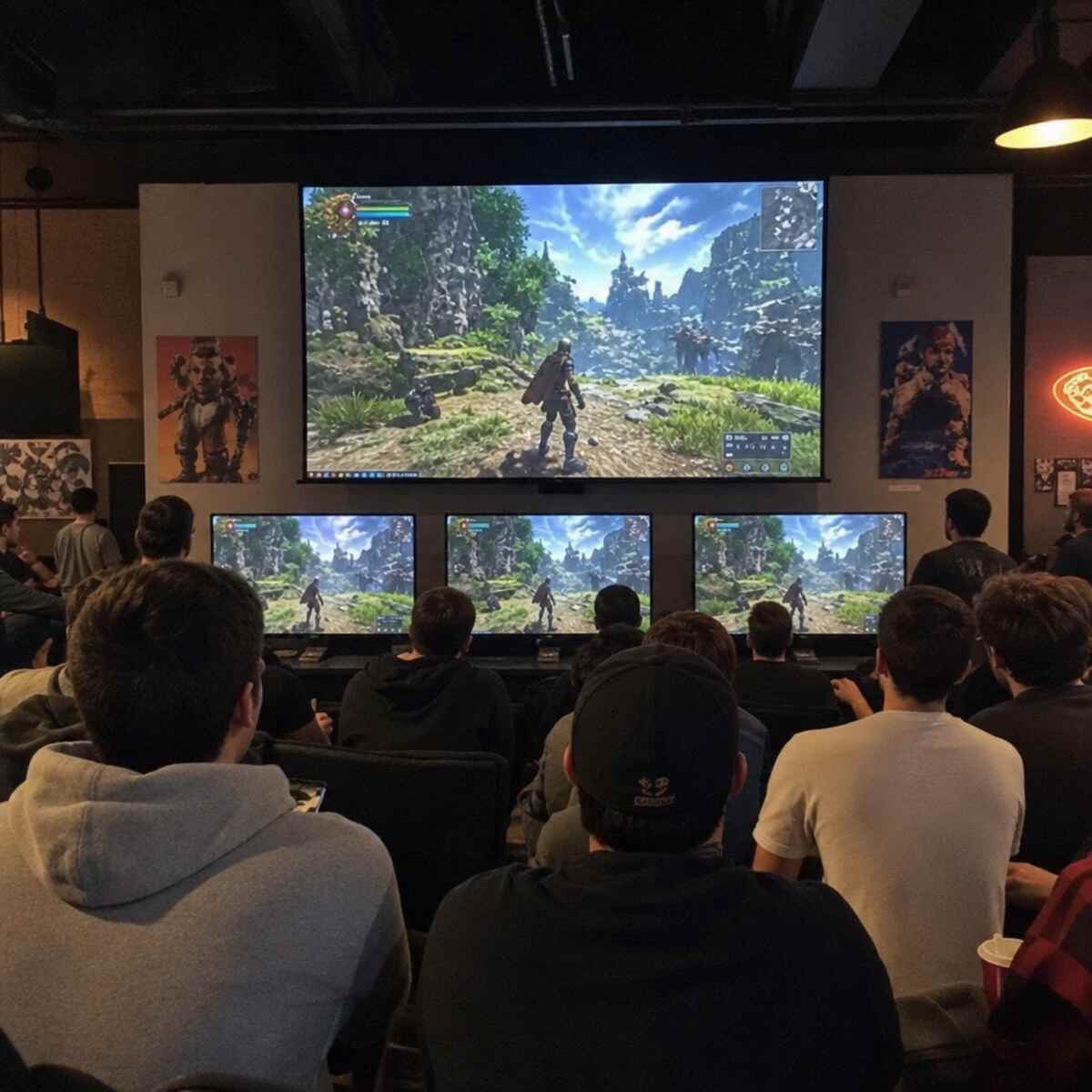

Some games arrive quietly, then suddenly everyone seems to be playing, streaming, sharing clips, and asking friends to join. This kind of breakout moment does not happen because of one lucky feature. It usually happens because the game gives people something easy to start, fun to repeat, and exciting to talk about. Discover the best info about toto macau.
If you are trying to understand why one title becomes the hottest game while so many new games disappear after launch, the answer is usually a mix of design, timing, community, and shareability. Below are the biggest reasons a game can move from “interesting” to “everywhere.”
What makes a game take over so quickly?
A game takes over when it removes the friction between curiosity and fun. People can understand the basic idea fast, get into the action without a long learning curve, and feel a clear reason to play again after the first session. When that experience is easy to share, easy to watch, and easy to recommend, the game starts growing through players instead of relying only on ads.
The best games do not only ask, “Can people play this?” They also answer, “Will people want to tell someone else about it?” That second question is huge. A game becomes part of the wider conversation when it creates stories players can explain in one sentence: a close win, a funny fail, a clever strategy, a rare unlock, or a wild moment that feels worth posting.
Here is the simple version:
- Easy start: New players can jump in without feeling lost.
- Fast reward: The first few minutes feel exciting, clear, or funny.
- Strong loop: Players understand why they should come back.
- Social pull: Friends make the experience better.
- Clip-worthy moments: The game naturally creates shareable scenes.
- Room to improve: Skilled players can keep learning without hitting a wall.
- Fresh energy: Updates, modes, events, or community trends keep it moving.
Now let’s break down the reasons in a practical way.
1. The core idea is easy to understand
A game that spreads quickly usually has a simple promise. You can explain it to a friend without giving a lecture. That matters because people do not recommend confusing experiences. They recommend things they can describe quickly and confidently.
Think about the way people talk about the hottest game in their group. They rarely begin with a long list of systems, menus, or technical details. They say something like, “You have to survive this,” “You build while fighting,” “You solve puzzles with friends,” or “Every round gets more chaotic.” That clean idea gives people an entry point.
This does not mean the game itself has to be shallow. In fact, many of the best games are simple on the surface and deep underneath. The first layer invites everyone in. The deeper layers give people a reason to stay.
A strong core idea usually does three things:
- It creates instant curiosity. People hear the concept and want to try it.
- It sets clear expectations. Players know what kind of fun they are walking into.
- It gives the community shared language. Everyone can talk about the same goals, risks, and funny moments.
That is a big reason new games with messy explanations often struggle. If players need ten minutes just to explain why something is fun, the game has already lost momentum. A breakout game feels understandable before it feels complicated.
2. The first session feels good fast
A game can have brilliant depth, gorgeous design, and clever systems, but if the first session feels slow or confusing, many players will leave. Breakout games usually respect the first few minutes. They give players something to do, something to notice, and something to feel almost immediately.
That first feeling might be tension, power, surprise, laughter, competition, or comfort. The exact emotion depends on the genre. What matters is that the player does not sit there wondering when the fun begins.
This is where strong onboarding makes a huge difference. Good onboarding does not feel like homework. It teaches by letting the player act. Instead of dumping a pile of instructions on the screen, the game introduces one idea, lets the player try it, rewards the attempt, then adds the next layer.
A good first session often includes:
- A clear goal that makes sense right away
- Simple controls or guided actions
- A small early win
- A reason to try one more round, level, mission, or match
- Enough mystery to make the player curious
- Low embarrassment if the player makes mistakes
That last point is important. Players are more likely to keep going when failure feels like part of the fun. If the game punishes beginners too harshly, they may decide it is not for them. But if losing teaches something, creates a funny story, or leads quickly into another try, the game becomes much easier to stick with.
3. The game has a strong repeat loop
A repeat loop is the reason players come back. It is the pattern that makes someone say, “One more round,” “One more level,” or “I just want to unlock this next thing.” The loop does not need to be complicated, but it does need to feel satisfying.
In many popular new games, the loop is built around a simple cycle: prepare, play, earn, improve, repeat. The player starts with a goal, takes action, gets feedback, gains something, and then wants to do it again with better skill or better tools. That cycle is powerful because it turns time spent into visible progress.
The best games use repeat loops that work on more than one level. There may be a short loop that rewards the player every few minutes, a medium loop that creates progress across a session, and a longer loop that gives players goals over days or weeks. This layered structure keeps the game from feeling empty after the first burst of excitement.
For example, a player might return because they want to:
- Beat a personal score
- Finish a challenge
- Unlock a cosmetic item
- Try a new character or build
- Climb a ranked ladder
- Help a friend progress
- Explore a new area
- Master a tricky mechanic
A strong loop does not just keep players busy. It makes them feel like their time matters. That feeling is one of the main reasons a game can move from casual curiosity to regular habit.
4. It gives players stories worth sharing
Games spread when they create stories. Not long, polished stories like a novel, though those can help too. The real viral fuel is the quick player story: “You won’t believe what happened.”
This is where interactive entertainment has an advantage. A player is not only watching events happen. They are causing them, surviving them, messing them up, or barely escaping them. That personal involvement makes the memory stronger.
A game that takes over often creates moments like these:
- A last-second comeback
- A ridiculous mistake that makes everyone laugh
- A clever move that feels brilliant
- A scary encounter that becomes funny afterward
- A rare discovery
- A strange glitch or unexpected interaction
- A team moment where everyone reacts at once
These stories turn players into marketers without making the experience feel like marketing. A person posts a clip, tells a friend, or brings it up in a group chat because the moment was genuinely fun. That is much stronger than a slogan.
If the game is also easy to watch, the effect grows. Viewers do not need to understand every detail to enjoy the tension, humor, or surprise. They can see what is happening, react quickly, and maybe decide to try it themselves.
5. The social experience feels natural
Many games become popular because they are better with other people. That does not always mean they are strictly multiplayer. A single-player game can also become social if people compare choices, share builds, post discoveries, or debate endings. Still, games with strong built-in social moments often grow faster because friends pull friends in.
The social pull works best when joining feels easy. If one person has to convince five friends to buy expensive gear, study a long guide, and schedule a perfect time, the game has a harder path. If friends can jump in, understand the basics, and have fun quickly, the group effect becomes much stronger.
A natural social experience may include:
- Quick matchmaking or simple party systems
- Modes that work well with different skill levels
- Roles that let players help in different ways
- Funny moments that do not require high skill
- Shared goals that make teamwork feel useful
- Low-pressure options for casual play
The best social games also give people something to do while they talk. That sounds simple, but it is a major part of why some titles become hangout spaces. The game becomes less like an isolated activity and more like a place where friendships happen.
When a game becomes the default choice for a group, it gains staying power. People are not only returning for the mechanics. They are returning for the people they meet there.
6. It is fun to watch, not just fun to play
A modern breakout game often succeeds on two stages at once: the controller or keyboard, and the screen where people watch clips or streams. If the action is readable, expressive, and surprising, the game has a much better chance of spreading.
Watchability is not only about flashy graphics. A game can be visually simple and still be extremely watchable if viewers can understand the stakes. The key question is: can someone who has never played still enjoy what is happening?
A watchable game usually has:
- Clear movement and action
- Visible danger or pressure
- Big reactions from players
- Short moments of suspense
- Funny outcomes
- Recognizable wins and losses
- Enough variety to avoid looking repetitive
This is why some of the best games for streaming are not always the most technically complex. They give viewers emotion fast. A close match, a surprise betrayal, a lucky escape, or a chaotic group failure can make sense even to someone who barely knows the rules.
For new games, this is a major advantage. If viewers can understand the fun from a short clip, they may become players. The viewing experience becomes the first lesson.
7. The difficulty feels fair
Difficulty can make or break a game’s growth. Too easy, and players may leave because there is nothing to chase. Too hard, and newcomers may feel pushed out. The games that take over often find a sweet spot where failure feels fair and improvement feels possible.
Fair difficulty does not mean everyone wins all the time. It means players can usually understand why they lost and what they might try next. That sense of learning is important. When the player thinks, “I can do better next time,” the game has them.
Good difficulty design often includes:
- Early challenges that teach basic skills
- Clear feedback when something goes wrong
- Multiple ways to succeed
- Matchmaking or modes that protect beginners
- Advanced techniques for experienced players
- Rewards for effort, not only victory
This balance helps the game serve a wide audience. Casual players can enjoy the surface. Competitive players can dig into mastery. Creative players can experiment. Social players can hang out. When one game supports many kinds of players, it has more chances to grow.
That wide appeal is one reason a title can sit among the best games of the moment without needing every player to enjoy it in exactly the same way.
8. The style is instantly recognizable
A game that takes over usually has a look, sound, or mood people can recognize quickly. This does not always mean high-end graphics. Style is about identity. It is the feeling that makes a game stand apart in a feed full of new games fighting for attention.
A strong style helps in several ways. It makes screenshots more memorable. It makes clips easier to identify. It gives fans something to imitate, discuss, remix, or celebrate. It also helps the game feel like a world, not just a set of systems.
Style can come from many places:
- Character design
- Color choices
- Music and sound effects
- Animation style
- User interface design
- Worldbuilding
- Humor
- Mood and atmosphere
The important thing is consistency. If every part of the game feels like it belongs to the same creative vision, players remember it more easily. They may not know how to explain the art direction in technical terms, but they can say, “Oh, I know that game.”
That recognition matters. In crowded spaces, being easy to identify is a real advantage.
9. It rewards different play styles
A breakout game rarely grows by serving only one type of player. It gives different people different reasons to care. One person wants to win. Another wants to explore. Another wants to collect. Another wants to make friends laugh. Another wants to get better and better until the game feels like a skill.
When the design allows for multiple play styles, the audience becomes broader. People can enter through the door that fits them best. They do not have to enjoy the game for the same reason as everyone else.
Common player motivations include:
- Competition: Climbing, ranking, winning, and improving
- Creativity: Building, customizing, experimenting, and showing off ideas
- Collection: Unlocking items, skins, cards, characters, or achievements
- Exploration: Discovering maps, secrets, lore, or hidden systems
- Social play: Teaming up, chatting, helping, or joking around
- Mastery: Practicing mechanics until they feel smooth and precise
- Relaxation: Enjoying routine, atmosphere, or low-pressure progress
The more healthy paths a game supports, the more conversations it can create. Competitive players post clips. Creative players share designs. Explorers trade discoveries. Casual players invite friends because the vibe feels welcoming.
This is one of the quiet reasons some games keep growing after launch. They are not one-note experiences. They give the audience room to find their own version of fun.
10. The game makes progress feel visible
People like to feel that their time leads somewhere. This is why visible progress is so important. A player may enjoy the moment-to-moment action, but long-term motivation often comes from seeing improvement, completion, or personal growth.
Progress can be practical, cosmetic, social, or skill-based. Practical progress might mean stronger tools or new options. Cosmetic progress might mean outfits, effects, badges, or profile items. Social progress might mean reputation inside a group. Skill progress might be the simple joy of noticing that something hard now feels easy.
The strongest games usually combine several forms of progress:
- The player gets better at the game.
- The account, character, or profile shows growth.
- The player unlocks more choices.
- The player gains stories and memories.
- The player sees a path toward future goals.
The trick is to make progress feel meaningful without turning the game into a chore. If every session feels like a checklist, the fun can fade. But if progress supports the fun, it gives players a satisfying reason to return.
This is especially important for new games trying to hold attention after the first wave of curiosity. A strong progress system helps turn early excitement into lasting play.
11. The community gives the game a second life
The game itself starts the fire, but the community often keeps it burning. Once players begin making guides, memes, clips, challenges, fan art, discussions, and inside jokes, the game becomes bigger than the software. It becomes a shared culture.
Community activity is powerful because it gives people ways to engage even when they are not playing. They can watch strategy videos, read tips, follow updates, comment on clips, or talk about balance changes. The game stays present in their day.
A strong community can also help beginners. When experienced players explain systems clearly, create helpful guides, or answer questions, the learning curve becomes less scary. That makes the game easier to enter after the initial launch window.
Healthy community growth often includes:
- Beginner tips and simple explainers
- Friendly spaces for questions
- Creative challenges made by players
- Shared jokes and references
- Events or group activities
- Constructive feedback for developers
- Fan-made resources that make the game easier to understand
Of course, community quality matters. A loud but hostile community can scare people away. A welcoming, funny, and active community can make the game feel alive. When players feel like they belong, they are more likely to stay.
12. Updates keep the experience fresh
Even the best games can start to feel familiar. Updates help by giving players something new to learn, earn, discuss, or try. Fresh content can bring back old players and give current players a reason to keep paying attention.
Updates do not always have to be huge. Sometimes a small balance change, limited-time mode, seasonal event, new map, or quality-of-life improvement can restart conversation. What matters is that the game feels cared for.
Players often watch for signs that the creators are listening. If bugs are addressed, confusing systems are improved, and new content fits the game’s identity, trust grows. That trust supports long-term success.
Useful updates can include:
- New modes or challenges
- Map, level, or world changes
- New characters, items, or abilities
- Better matchmaking or accessibility options
- Bug fixes and smoother performance
- Seasonal themes or events
- Community-requested improvements
There is a balance, though. Too many changes can make the game feel unstable. Too few can make it feel abandoned. The strongest approach is steady improvement that respects what players already love.
13. The game works for short sessions and long sessions
A game has a better chance of taking over when it fits into real life. Not everyone has hours to play every day. Some people want a quick session before dinner. Others want a long weekend grind. A game that supports both can reach more people.
Short-session appeal is especially useful because it lowers the barrier to entry. If someone can play one quick match, run one mission, solve one puzzle, or make a little progress in ten minutes, they are more likely to open the game often. Those small sessions can build a habit.
Long-session appeal matters too. Once players have more time, they need depth, variety, and goals that can support extended play. The game should not feel empty after the quick fun wears off.
A flexible game often offers:
- Quick modes for busy players
- Longer goals for dedicated players
- Easy stopping points
- Progress that does not feel wasted
- Social options for planned sessions
- Solo options when friends are offline
This flexibility is one reason certain games become daily defaults. They are not only fun in perfect conditions. They are fun when the player has a little time, a lot of time, friends online, or no one online at all.
14. It feels familiar and fresh at the same time
Many breakout games succeed because they balance comfort with surprise. If a game is too familiar, people may ignore it. If it is too strange, people may hesitate to try it. The sweet spot is a game that gives players something they recognize, then twists it in a way that feels new.
This balance helps players learn faster. Familiar elements give them confidence. Fresh elements give them curiosity. Together, they create momentum.
You might see this in a familiar genre with a new mechanic, a known structure with a surprising tone, or a classic challenge with a social twist. The player thinks, “I understand this,” and then, “Oh, that’s different.” That combination is very powerful.
For new games, this can be the difference between confusion and excitement. Players do not want to feel like they need a textbook before having fun. But they also do not want something that feels like a copy of what they already own.
The best games often teach through contrast. They offer a recognizable base, then give players one strong reason to pay attention.
15. The game gives players identity
People do not only play games to pass time. They also use games to express who they are, what they like, and how they want to be seen. A game that supports identity can become much more personal.
Identity can show up through customization, chosen roles, favorite characters, play style, rank, achievements, or community status. A player might become known as the clever strategist, the chaotic friend, the builder, the collector, the support player, or the fearless risk-taker.
That identity keeps people connected. When someone feels like the game gives them a place, a style, or a role, leaving becomes harder. The game is no longer just something they play. It becomes part of how they interact with friends and communities.
Good identity systems often include:
- Customizable looks or profiles
- Distinct roles or characters
- Play styles that feel different from each other
- Achievements that show effort
- Social spaces where players can be recognized
- Tools for creativity or personal expression
This is one reason cosmetic features can matter even when they do not affect performance. They help players feel ownership. When players feel ownership, they care more.
16. The game creates low-pressure entry points
A game can be popular and still intimidating. If everyone is already talking about it, new players may worry they are too late. Strong games reduce that fear by offering easy ways in.
Low-pressure entry points might include beginner modes, casual queues, tutorials, co-op options, practice areas, helpful tooltips, or content that does not require perfect skill. These features tell new players, “You can start here.”
This matters because growth depends on latecomers. A game cannot rely only on the first wave of players forever. If the experience becomes too closed off, the audience can shrink. If the doors stay open, the community can keep expanding.
Beginner-friendly design can include:
- A clear first goal
- Simple early rewards
- Forgiving practice spaces
- Matchmaking that avoids overwhelming new players
- Clear explanations of important choices
- Optional depth instead of forced complexity
The best version of this design does not talk down to players. It respects beginners while still leaving room for experts. That is a hard balance, but when a game manages it, the result feels welcoming without feeling watered down.
17. The timing is right
Sometimes a game takes over because it lands at the right moment. Timing can shape how ready people are to try something new. Maybe players are tired of the current options. Maybe a genre is trending. Maybe a major creator plays it. Maybe a social moment makes the game feel especially relevant.
Timing alone cannot carry a weak game for long. But it can give a strong game the opening it needs. If players are already looking for a fresh experience, a well-designed title can spread quickly.
Good timing may involve:
- A gap in the market
- Fatigue with older popular games
- Strong word of mouth at launch
- Streamers or creators looking for new content
- A genre that is gaining attention
- Friends searching for a shared activity
- A release window with less direct competition
This is why some excellent games grow slowly while others explode quickly. Quality matters, but context matters too. The hottest game of the moment is often both good and well-timed.
18. The game is easy to recommend
Recommendation is the quiet engine behind many popular games. One friend tells another friend. A streamer tells an audience. A group chat starts sharing clips. A short post makes someone curious. The easier a game is to recommend, the faster it can spread.
A game is easy to recommend when people know who it is for and why it is worth trying. If players can say, “You’ll like this because…” and finish the sentence clearly, the game has a strong advantage.
Players commonly recommend games because they are:
- Easy to start
- Funny with friends
- Great for short sessions
- Deep enough to master
- Different from the usual options
- Full of surprising moments
- Relaxing, competitive, creative, or chaotic in a clear way
Notice that not all of these reasons are the same. That is the point. A game with multiple recommendation angles can move through different groups. Competitive players sell the challenge. Casual players sell the fun. Creative players sell the freedom. Social players sell the hangout.
When a game gives each group a simple reason to invite others, growth becomes much easier.
19. It has a clear emotional hook
Every game that breaks through gives players a feeling they want again. That feeling might be triumph, comfort, suspense, laughter, control, curiosity, or chaos. The emotional hook is the part players remember after they close the game.
A clear emotional hook matters because people do not usually describe games only by mechanics. They describe how the game feels. They say it is intense, cozy, hilarious, clever, stressful in a good way, relaxing, satisfying, or unpredictable.
Strong emotional hooks often come from:
- High-stakes moments
- Cozy routines
- Funny player interactions
- Beautiful spaces
- Smart puzzles
- Tight competition
- Creative freedom
- Meaningful choices
The clearer the feeling, the stronger the memory. When the feeling is also easy to repeat, the player comes back. This is why two games can have similar systems but very different levels of popularity. The one with the stronger emotional pull is easier to love and easier to talk about.
20. It gives creators plenty to make content about
Content creators can help a game grow when the game gives them material. This does not mean the game has to be designed only for streaming. It means the experience produces moments, challenges, opinions, and discoveries that people can turn into videos, posts, guides, and conversations.
Creator-friendly games often have variety. If every session looks the same, content dries up fast. If the game keeps producing new situations, creators can keep finding angles.
Good creator fuel includes:
- Funny fails
- Dramatic wins
- Build guides
- Tier discussions
- Challenge runs
- Secret discoveries
- Beginner tips
- Update reactions
- Community debates
- Personal goals or experiments
This kind of content helps new players learn and gives existing players more reasons to stay engaged. It also expands the game beyond the game itself. People can enjoy the community conversation even when they are not actively playing.
That extended attention can make a popular title feel even bigger. The game lives on platforms, in chats, in videos, and in jokes, not only inside its own menus.
21. The game respects player time
Players have more entertainment choices than ever. If a game wastes time, people notice. A breakout game usually makes each session feel worthwhile, even when the player does not win or complete a major goal.
Respecting time can mean fast loading, clear menus, fair rewards, smooth matchmaking, useful checkpoints, or low friction between decision and action. It can also mean avoiding systems that make players feel trapped in chores.
A time-respecting game gives players:
- A clear reason to start
- A clear way to make progress
- Reasonable session lengths
- Useful rewards for effort
- Fast return after failure
- Simple ways to play with friends
- Fewer confusing delays
This does not mean everything must be instant. Slow games can still respect time if the pace feels intentional and rewarding. The key is that players understand why they are spending time and feel good about what they get from it.
When players feel respected, they are more likely to recommend the game. Nobody wants to drag friends into an experience that feels like work.
22. It keeps giving players small surprises
Surprise is one of the easiest ways to keep a game feeling alive. A small surprise can turn an ordinary session into a memory. It might be a new enemy behavior, a strange item combination, an unexpected event, a hidden area, or a funny player interaction.
The best surprises feel earned, not random in a frustrating way. Players should feel like the game is rich and lively, not unfair or confusing. When surprises fit the rules of the world, they make the experience deeper.
Small surprises can include:
- Rare events
- Secret paths
- Unusual rewards
- Unexpected dialogue
- Dynamic weather or environments
- Player-driven chaos
- Clever system interactions
- Special challenge conditions
Surprise also helps with word of mouth. People share what they did not expect. If the game regularly gives players something worth reacting to, it stays easier to talk about.
This is one reason replayable games often use variety carefully. They do not only repeat the same loop. They add enough changes inside the loop to keep attention fresh.
23. The best parts are easy to clip and share
Shareability is not a bonus anymore. For many games, it is part of how discovery works. A player sees a short clip, understands the appeal, and decides whether to try it. The clip becomes the doorway.
A shareable game creates moments that make sense quickly. The viewer does not need a full explanation. They can see the danger, joke, skill, mistake, or surprise right away.
The most shareable moments are often:
- Short
- Visual
- Emotional
- Easy to understand
- Different from the average session
- Tied to a clear reaction
- Funny, impressive, strange, or tense
This is where design and community meet. Developers can create systems that allow wild moments, but players decide which moments matter. When the game gives players tools or situations that naturally produce clips, the community can amplify the experience far beyond the original player base.
For someone browsing through new games, one strong clip can do more than a long description. It shows the fun instead of explaining it.
24. The game turns learning into part of the fun
A great game teaches constantly, but it does not always feel like teaching. Players learn maps, timing, strategy, movement, teamwork, patterns, shortcuts, and decision-making. When that learning feels enjoyable, the game becomes sticky.
This is close to how strong writing practice works. You improve by doing, noticing, adjusting, and trying again. A good game creates that same loop. It gives feedback, lets you revise your approach, and rewards better choices.
Learning feels fun when:
- Mistakes are understandable
- Improvement is noticeable
- The next goal feels reachable
- Advanced skills look exciting
- Players can practice without shame
- The game rewards experimentation
This is why mastery can be so satisfying. The player is not only collecting rewards. They are becoming more capable. That personal growth gives the game a deeper kind of value.
When a game makes learning feel like play, it can hold attention long after the first trend fades.
25. It offers a clear place to start
A popular game still needs a clear first step. If someone hears everyone talking about it, downloads it, and then has no idea what to do, the excitement can disappear. A strong starting path protects that first burst of interest.
A clear starting point might be a recommended mode, a beginner questline, a simple tutorial, or a visible first objective. The player should not have to search outside the game just to understand the basics.
A useful beginner path includes:
- Start with the simplest mode or goal. Let the player understand the main action first.
- Learn one system at a time. Too many choices too early can feel like noise.
- Play a few low-pressure sessions. Early comfort matters more than early perfection.
- Notice what feels fun. Competition, exploration, creativity, and social play may all lead to different paths.
- Set one small goal. A small target gives the next session a purpose.
This structure helps players move from curiosity to confidence. And confidence is a huge part of retention. People come back when they feel they know what they are doing, or at least know how to keep learning.
How should you decide if the hype is worth it?
The easiest way to judge the hype is to look past popularity and ask what kind of fun the game actually offers. If the game matches how you like to play, the hype may be a useful signal. If it depends on systems, pressure, or social habits you do not enjoy, it may still be popular without being right for you.
Use this quick checklist before jumping in:
- Do you understand the basic idea? If the main concept sounds interesting, that is a good first sign.
- Does the first session look welcoming? A strong game should help you start without making you feel foolish.
- Can you play the way you like? Look for solo, co-op, casual, ranked, creative, or story options depending on your taste.
- Does the game respect your time? If every session seems like a grind, be honest about whether that fits your life.
- Are your friends playing? Social pull can make a good game much better, but it should not be the only reason.
- Do the updates seem meaningful? Fresh support can help a game stay enjoyable.
- Does watching it make you want to try it? If clips make you curious instead of confused, the game may have a strong hook.
The hype is worth exploring when the game offers more than noise. Look for a clear idea, an enjoyable first session, repeatable fun, and a community that makes the experience feel alive.
The main reason this game is taking over
The biggest reason a game takes over is not just that it is new. Plenty of new games launch every week, and most do not become the hottest game in the conversation. A true breakout happens when the game gives players a simple reason to start, a satisfying reason to continue, and a social reason to bring others along.
That combination is hard to fake. It comes from clear design, strong pacing, memorable moments, and a player base that wants to keep the experience moving. When those pieces work together, the game becomes more than a product. It becomes a habit, a hangout, a challenge, and a shared story.
So if this game seems to be everywhere, the answer is probably not one single feature. It is the way all the pieces support each other. It is easy to try, fun to repeat, exciting to watch, and simple to recommend. That is the pattern behind many of the best games, and it is why some titles do not just launch. They take over.
